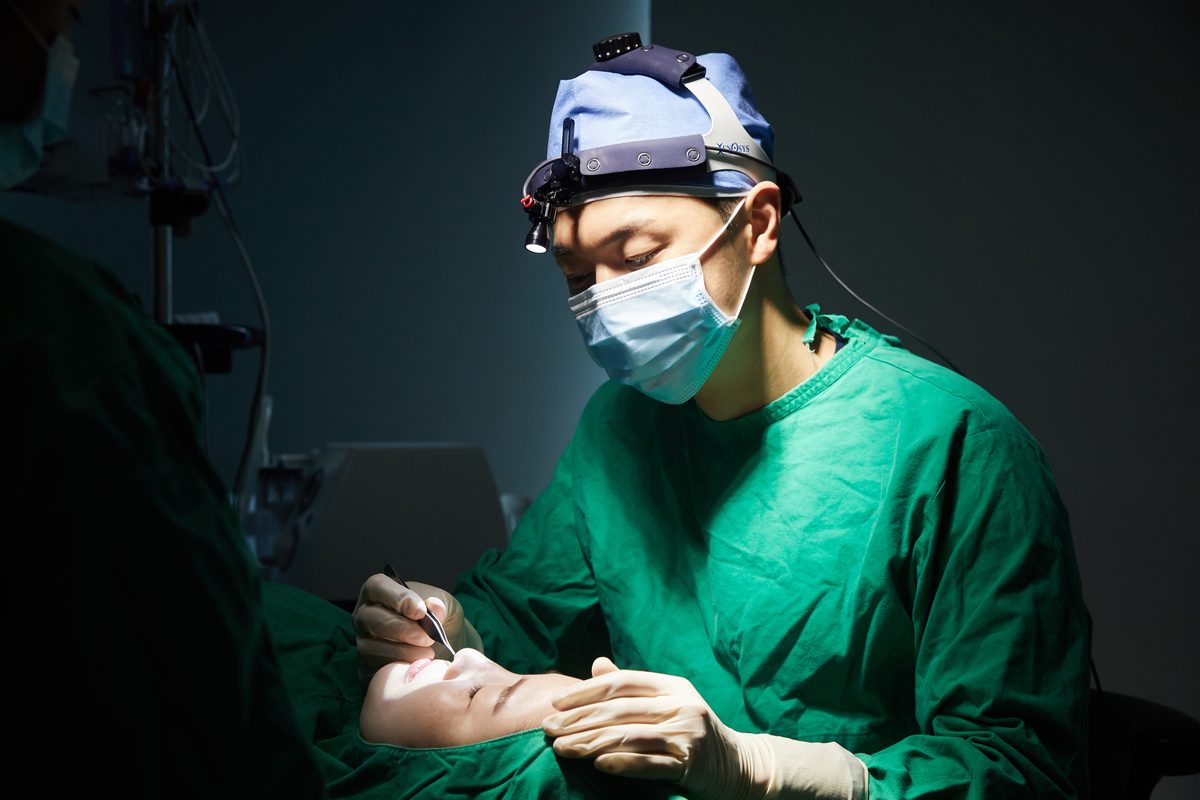

Rhinoplasty by Type main visual
Rhinoplasty by TypeRhinoplasty by Type

Customized Rhinoplasty

Precisely analyzing the root cause
Rhinoplasty by Type

After thoroughly analyzing the root cause of each symptom, we craft a nose line in harmony with your face.
correcting the height and length of the nose, creating a refined nose line.
Rhinoplasty by Type — precisely tailored to your individual nose type.

Flat Nose Drooping Tip Hump Nose Short Nose Bulbous Nose Deviated Nose

Surgery Information

Surgery Information

Surgery details may vary by individual,
and side effects such as inflammation, bleeding, and nerve damage may occur — please consult with your surgeon.

Surgery Duration

1 hr – 1 hr 30 min

Anesthesia

IV Sedation

Suture Removal

7 days post-op

Follow-up Visits

1–2 visits

Recommended For

Rhinoplasty by Type — When It's Effective

If any of the following apply to you,
Rhinoplasty by Type may be right for you.

TYPE 01

Flat Nose

When a low bridge or tip creates a flat, undefined appearance

TYPE 02

Drooping Tip

When a pointed, sharp nasal tip gives a harsh impression

TYPE 03

Hump Nose

When the mid-bridge protrudes in a bump

TYPE 04

Short Nose

When the nostrils are overly visible from the front

TYPE 05

Bulbous Nose

When the nasal tip is blunt and widely spread

TYPE 06

Deviated Nose

When the nose bridge appears tilted to one side

Types of Rhinoplasty

Rhinoplasty precisely
designed for each type

Each nose type has its own cause and solution.
We complete a natural nose line using techniques and materials specialized for each type.

Naturally elevating a low, flat bridge
to boost your confidence — Flat Nose Rhinoplasty

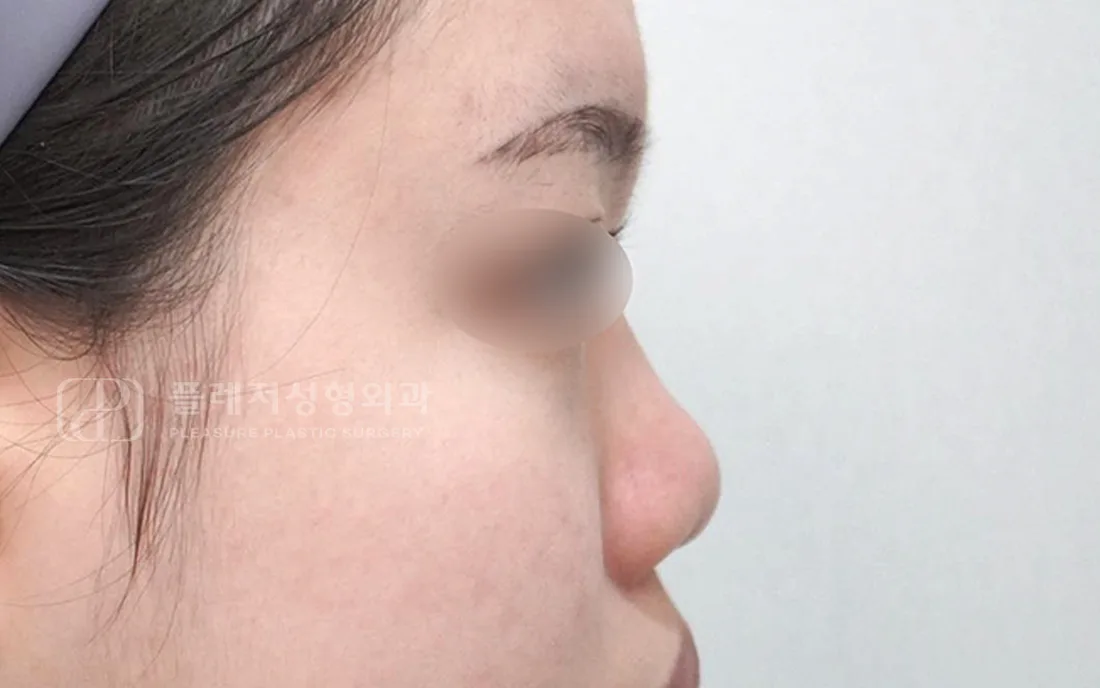
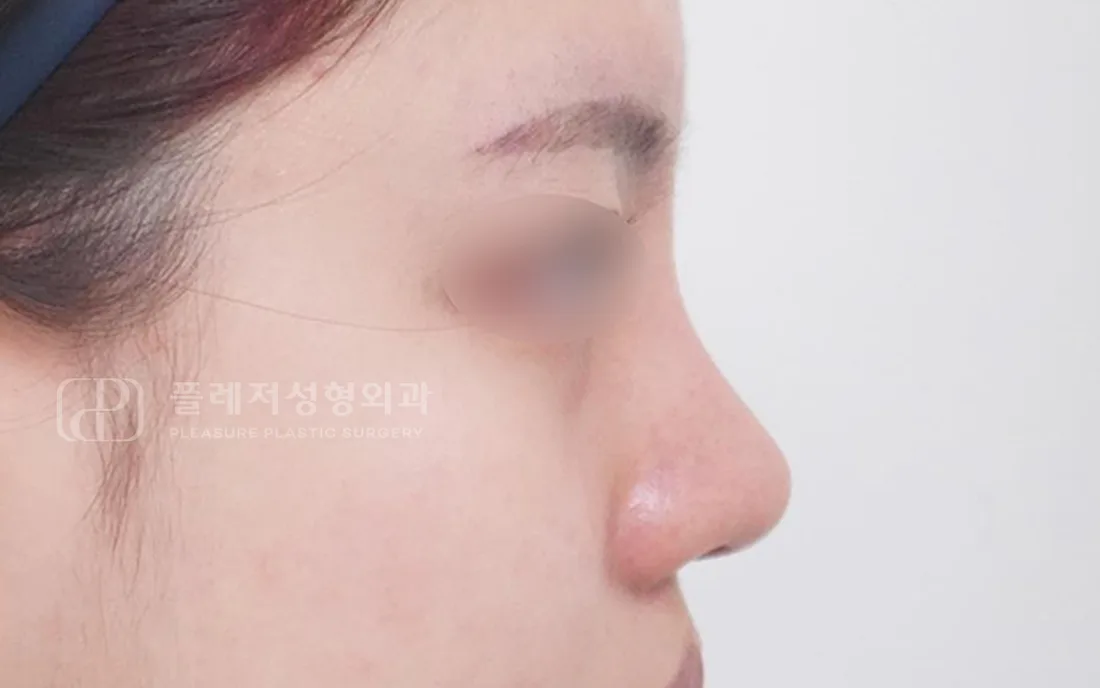
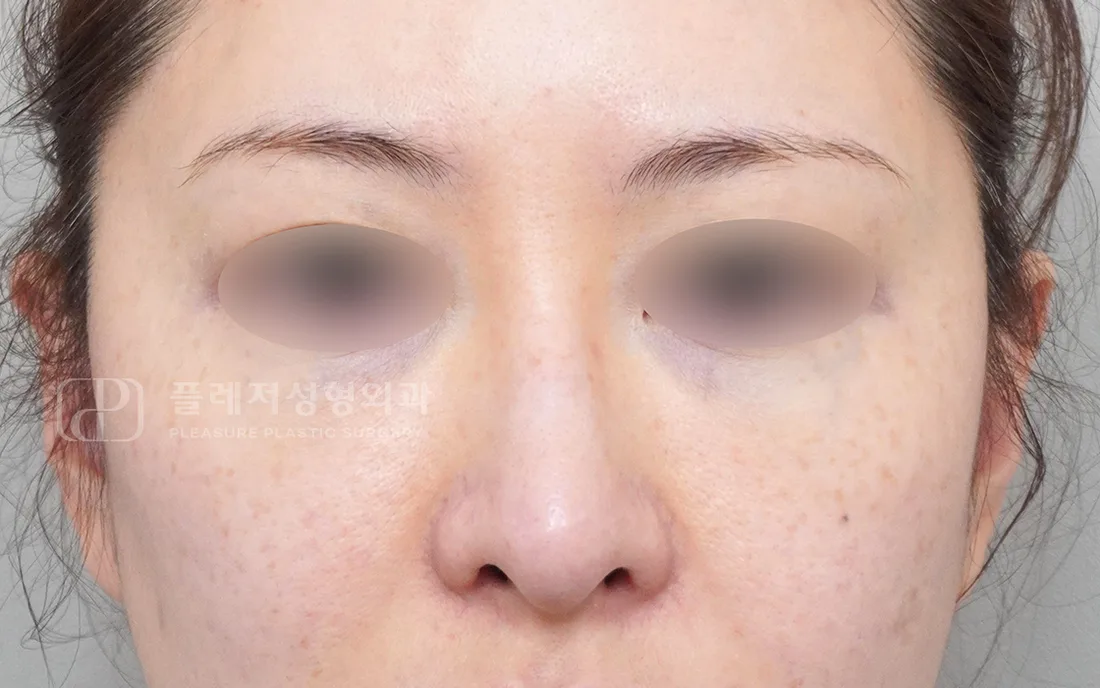
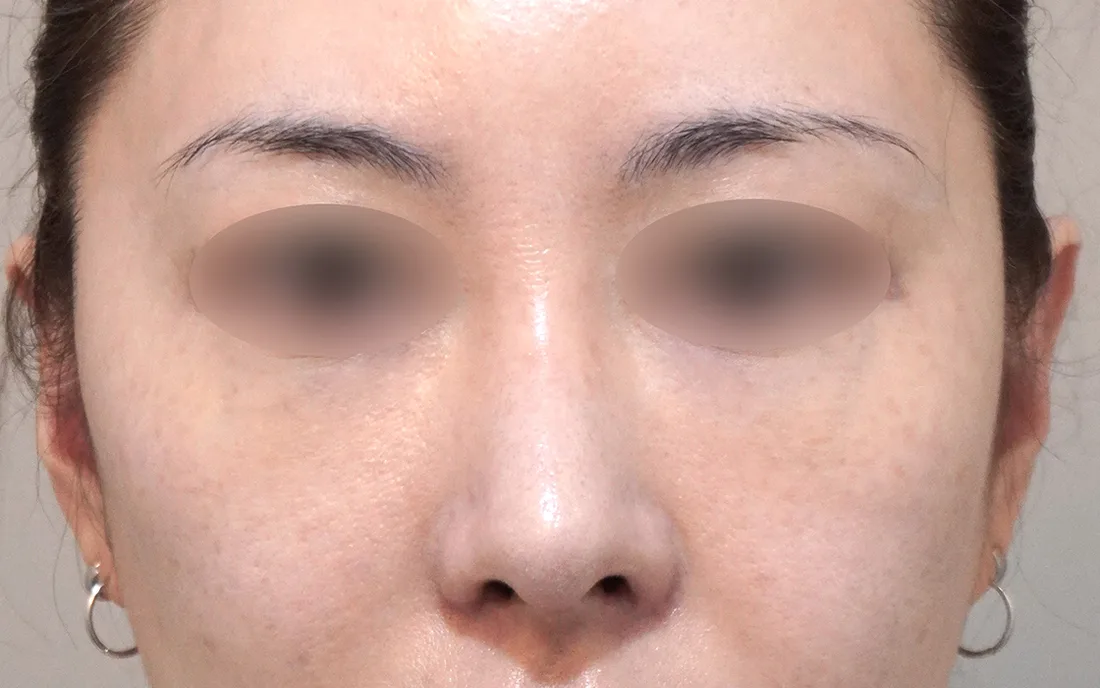
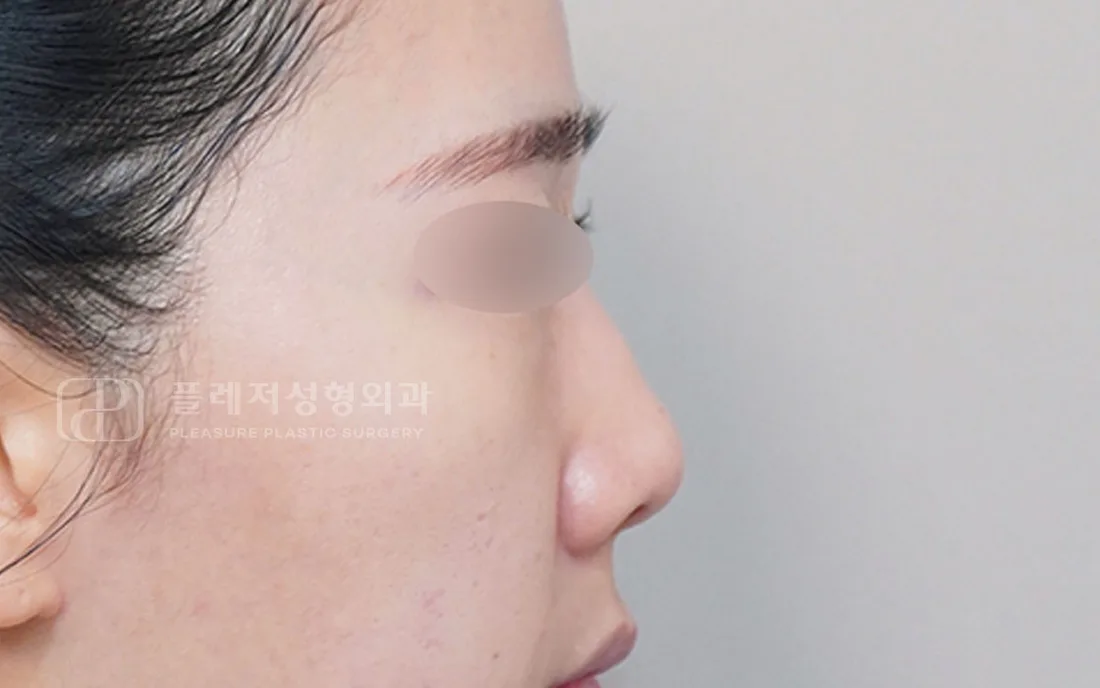
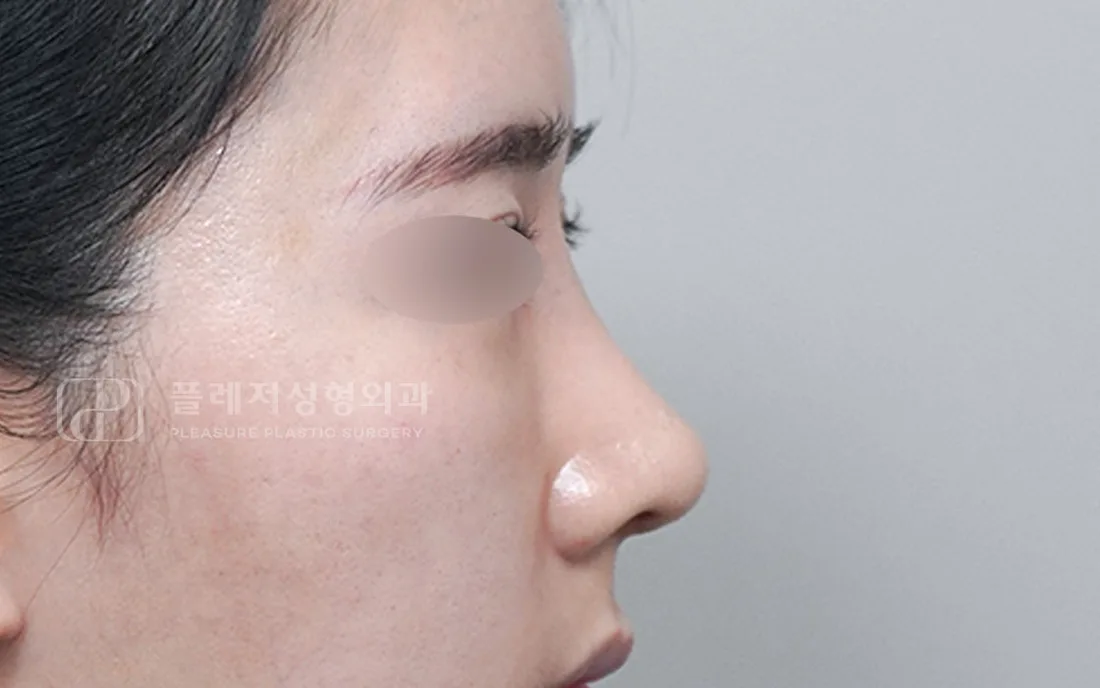
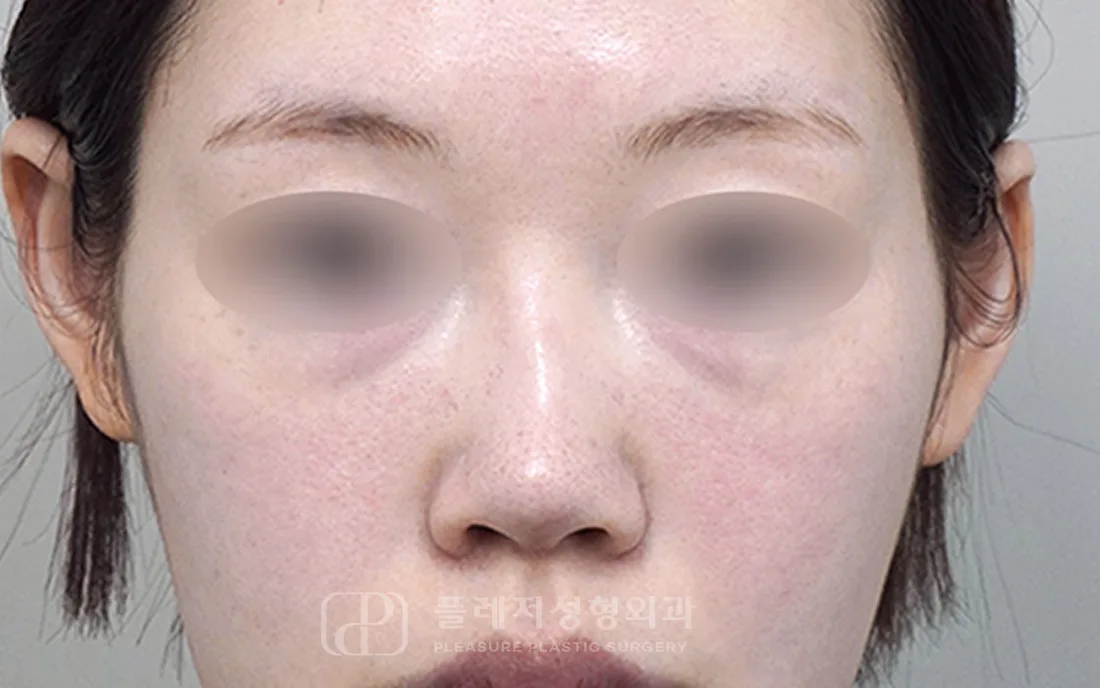
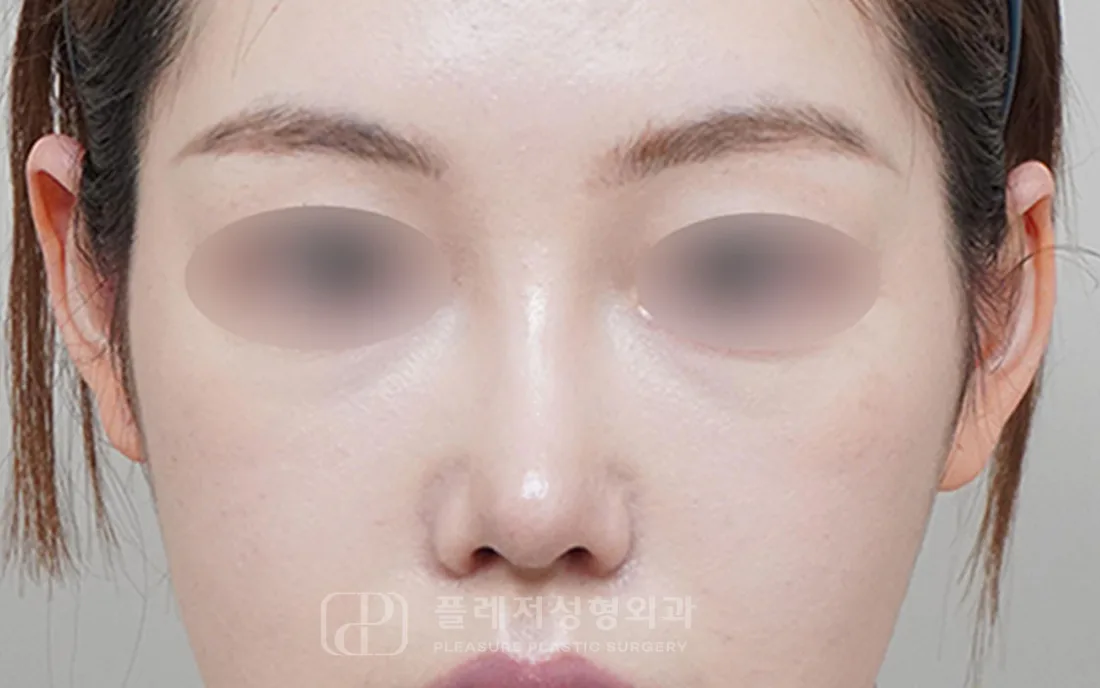
This procedure raises the bridge from the glabella to just above the nasal tip. For low or small noses lacking dimension, we consider overall facial balance — using a biocompatible implant for the bridge and autologous cartilage for the tip — to create a natural, three-dimensional line.

Rhinoplasty by Type 1 BEFORE
Rhinoplasty by Type 2 AFTER
POINT 01

Bridge line matched to facial proportion and angle

After carefully analyzing each patient's facial features, we choose a bridge line — straight, semi-curved, or curved — aligned with their face shape and aesthetic ideal.

POINT 02

Material selection tailored to individual characteristics

Our board-certified plastic surgeon considers overall facial harmony and selects the most suitable material for each patient's characteristics, delivering results that are in balance with your face.

POINT 03

Surgery performed without excess, respecting cartilage size

Forcing excessive height relative to small cartilage can cause warping or regression, so we first precisely assess cartilage size before proceeding.

A pointed tip angled downward
making the whole face look sharp — Drooping Tip Rhinoplasty

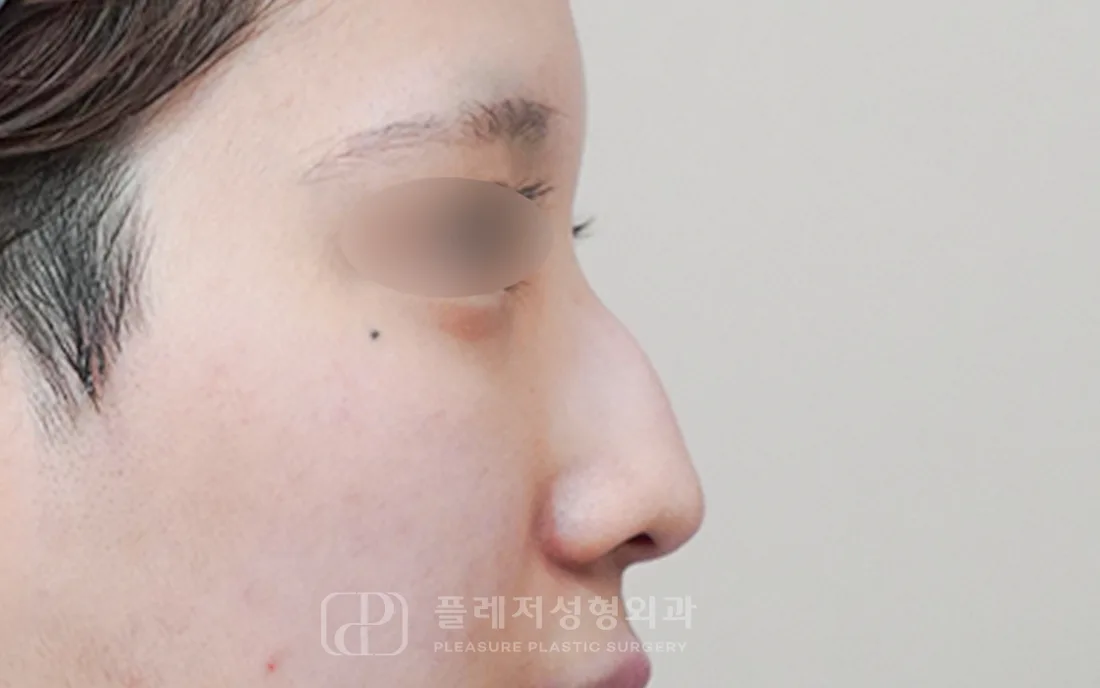
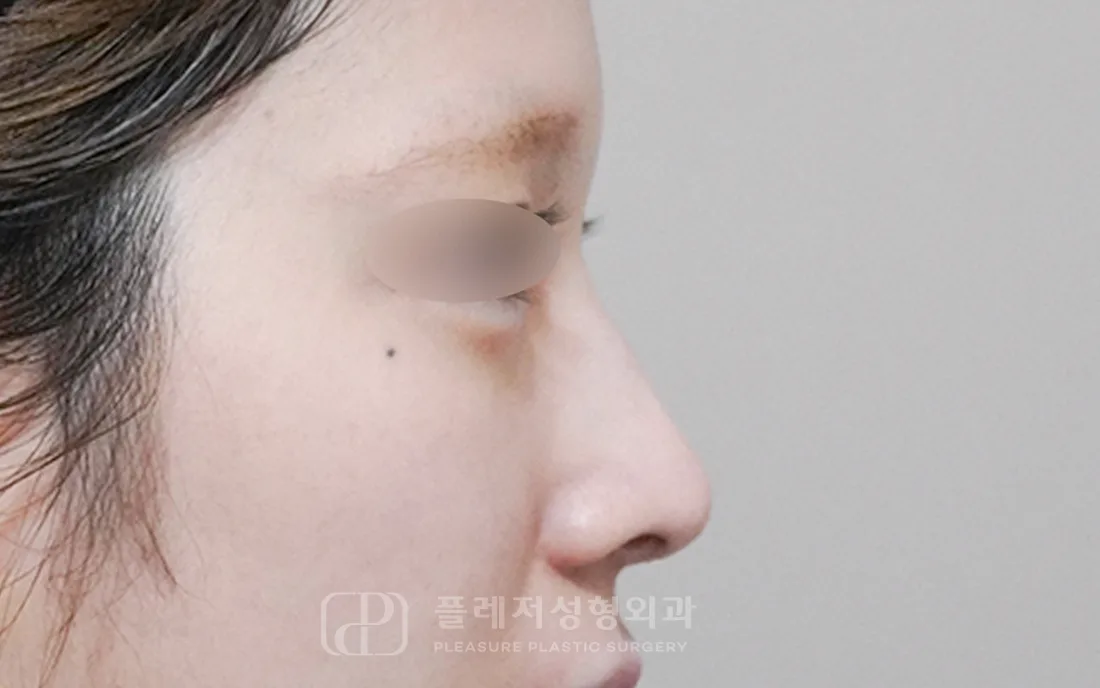
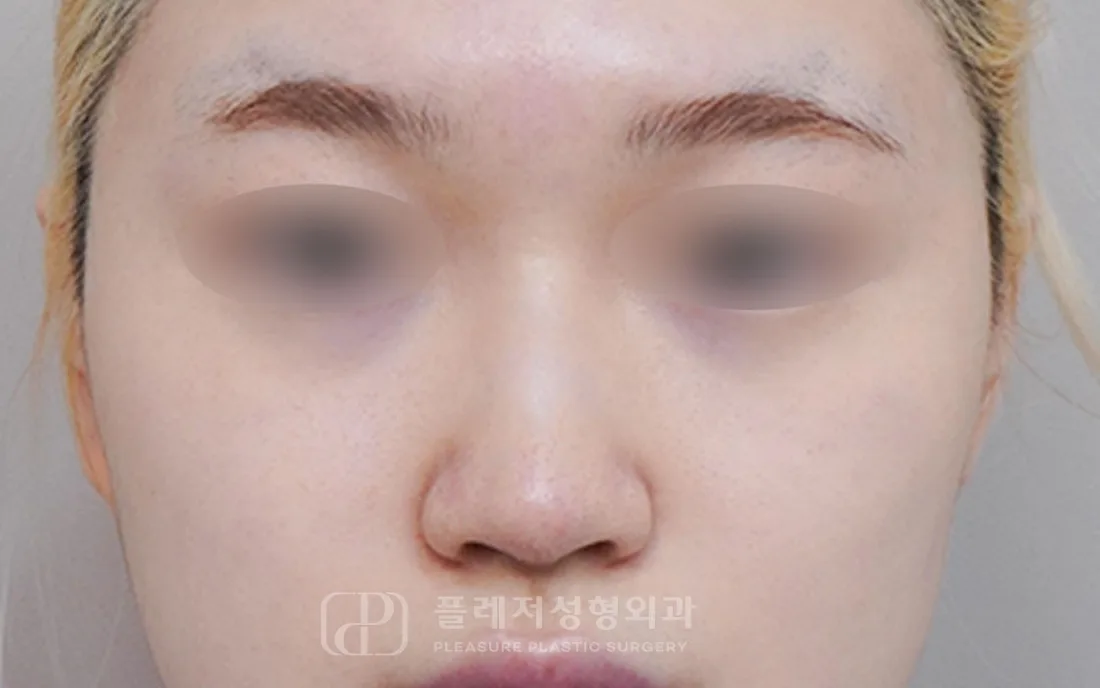
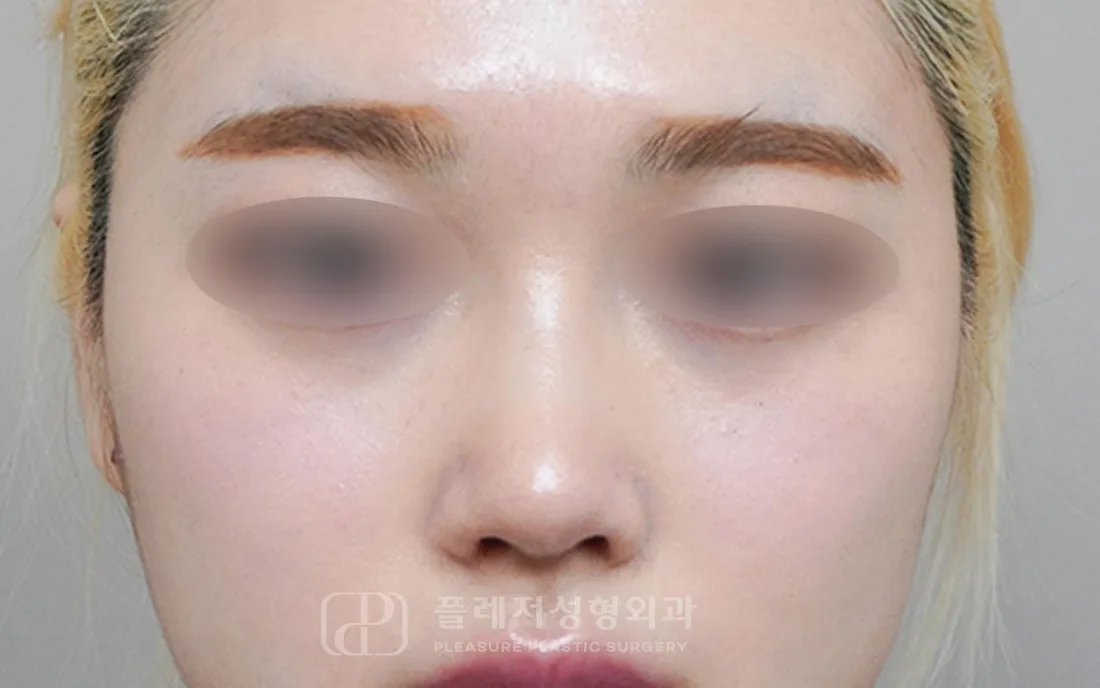
When the tip cartilage is overdeveloped or the nasolabial angle is excessively acute, the tip appears arrow-sharp. We correct this using tip cartilage reshaping and autologous tissue to soften and naturally refine the sharp impression.

Rhinoplasty by Type 3 BEFORE
Rhinoplasty by Type 4 AFTER
POINT 01

Precise correction plan after tip cartilage analysis

We carefully analyze the shape and strength of the tip cartilage, delicately refine the overly protruding portion, and design a natural nasal tip form.

POINT 02

Soft, natural finish with autologous tissue

Our board-certified plastic surgeon considers overall facial harmony and selects the most suitable material for each patient's characteristics, delivering results that are in balance with your face.

POINT 03

Tip angle adjusted to nasolabial angle and facial proportion

When the nasolabial angle is too acute, we adjust it to a flattering angle so the entire impression is completed softly and harmoniously.

A protruding mid-bridge hump
giving a strong, sharp impression — Hump Nose Rhinoplasty

When the mid-bridge protrudes and looks like a mountain from the side, we precisely rasp down the hump and, if needed, insert an implant or dermis to create a smooth, natural bridge line.

Rhinoplasty by Type 5 BEFORE
Rhinoplasty by Type 6 AFTER
POINT 01

Precise analysis and custom rasping of the hump area

Using precision analysis including 3D-CT, we accurately identify the location and extent of the protrusion and correct it delicately without over-rasping.

POINT 02

Natural bridge line completion after rasping

Our board-certified plastic surgeon considers overall facial harmony and selects the most suitable material for each patient's characteristics, delivering results that are in balance with your face.

POINT 03

Tip height and angle corrected simultaneously

Rather than stopping at hump correction alone, we also adjust tip height and angle to complete the harmony of the entire nose line.

An upturned tip revealing nostrils
and a nose that appears short — Short Nose Rhinoplasty

A short nose with an upturned tip that exposes nostrils from the front is a technically demanding procedure. We extend the septal cartilage or use autologous rib cartilage to pull the tip downward, restoring natural nose length and angle.

Rhinoplasty by Type 7 BEFORE
Rhinoplasty by Type 8 AFTER
POINT 01

Tip direction corrected via septal extension graft

We build a supporting column using septal or autologous rib cartilage and structurally redirect the tip downward.

POINT 02

Precise redesign of nose length and angle

Our board-certified plastic surgeon considers overall facial harmony and selects the most suitable material for each patient's characteristics, delivering results that are in balance with your face.

POINT 03

Long-term stability secured with strong autologous cartilage

Using high-strength materials such as autologous rib cartilage, we ensure the tip does not revert upward, maintaining stable long-term results.

A blunt, widely spread tip
looking heavy and dull — Bulbous Nose Rhinoplasty

When the tip cartilage is large or widely spread, making the tip look blunt and broad, we remove excess subcutaneous fat and soft tissue, then slim the tip through cartilage suturing and autologous cartilage grafts to create a defined, refined tip.

Rhinoplasty by Type 9 BEFORE
Rhinoplasty by Type 10 AFTER
POINT 01

Tip volume slimmed by removing soft tissue

We delicately remove excess subcutaneous fat and soft tissue at the tip, reducing the blunt volume and sharpening the tip contour.

POINT 02

Tip shape corrected through cartilage suturing

Our board-certified plastic surgeon considers overall facial harmony and selects the most suitable material for each patient's characteristics, delivering results that are in balance with your face.

POINT 03

Tip size designed in consideration of overall facial proportion

Rather than simply making it smaller, we design the most natural and beautiful tip size by considering overall facial proportion and balance.

A bridge tilted or curved to one side
creating an asymmetric impression — Deviated Nose Rhinoplasty

A deviated nose that appears shifted to one side when viewed from the front is often caused by cartilage abnormality or septal deviation. We straighten the bridge and restore bilateral symmetry through septoplasty and osteotomy.

Rhinoplasty by Type deviated nose BEFORE
Rhinoplasty by Type deviated nose AFTER
POINT 01

Bridge center restored via septoplasty

We correct the underlying septal deviation to straighten the bridge to the midline, and simultaneously harvest septal cartilage for use in tip correction.

POINT 02

Nasal bone alignment via osteotomy

Our board-certified plastic surgeon considers overall facial harmony and selects the most suitable material for each patient's characteristics, delivering results that are in balance with your face.

POINT 03

Extensive experience handling revision cases safely

Deviated nose correction is technically demanding, making extensive experience essential. Revision surgery cases are also precisely analyzed to ensure safe and effective correction.

Core Principles

The Core of Rhinoplasty by Type

This is not simply a nose-lifting procedure.
We precisely analyze the root cause and select methods specialized for each type.

POINT 01

Personalized type-specific correction

We first precisely analyze the root cause of each symptom, then use methods specialized for flat nose, drooping tip, hump nose, short nose, bulbous nose, and deviated nose types to complete the most naturally flattering and refined nose for each individual.

POINT 02

Custom design with materials and techniques matched to each type

We select the most suitable material for each type — septal cartilage, ear cartilage, autologous rib cartilage, or donor rib cartilage — to complete the optimal nose line matched to each person's facial proportion.

Surgical Materials

Materials used to
naturally elevate — Rhinoplasty Materials

When selecting rhinoplasty materials, thorough communication with a specialist
to choose what suits you best is the most important step.

Image area
Material 01

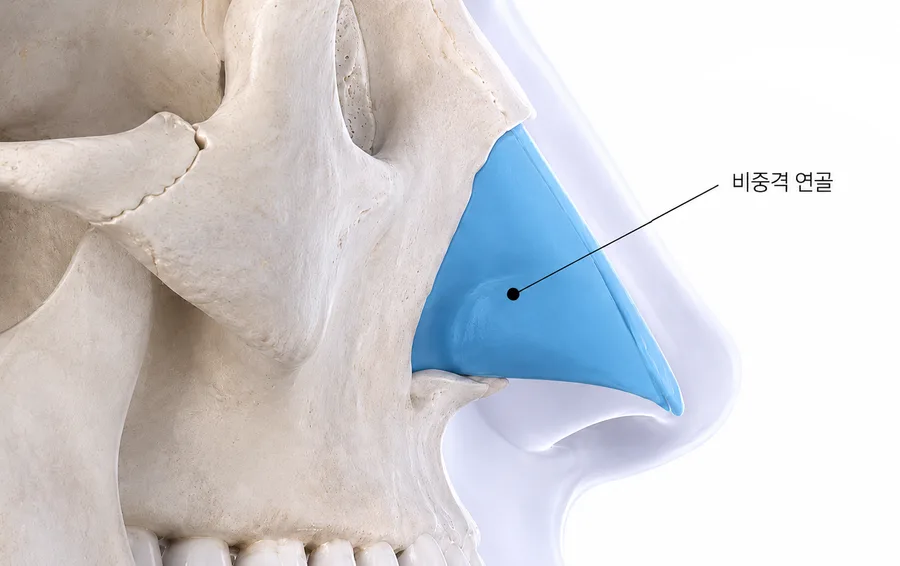
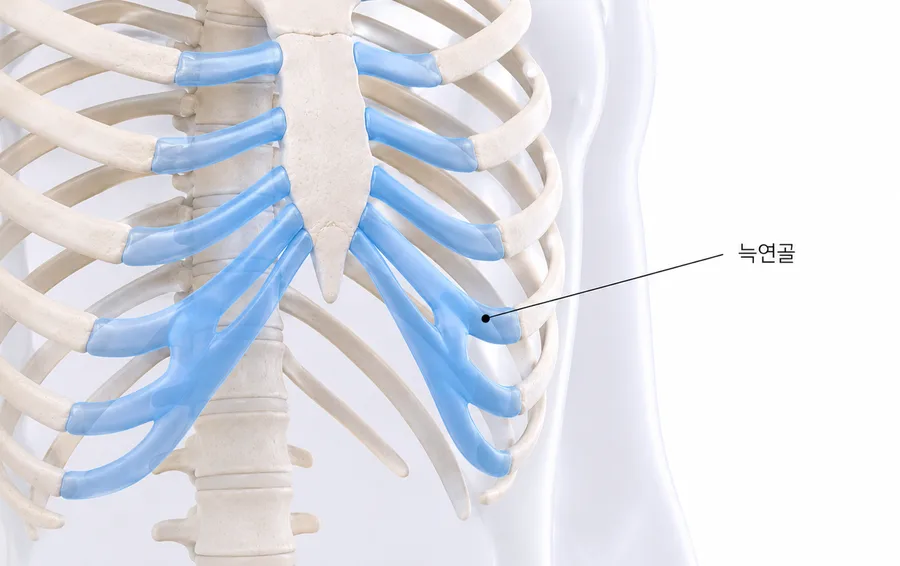
Septal Cartilage

Creates a natural nose shape and, being firmer than ear cartilage, provides strong support to prevent the tip from drooping.

Image area
Material 02

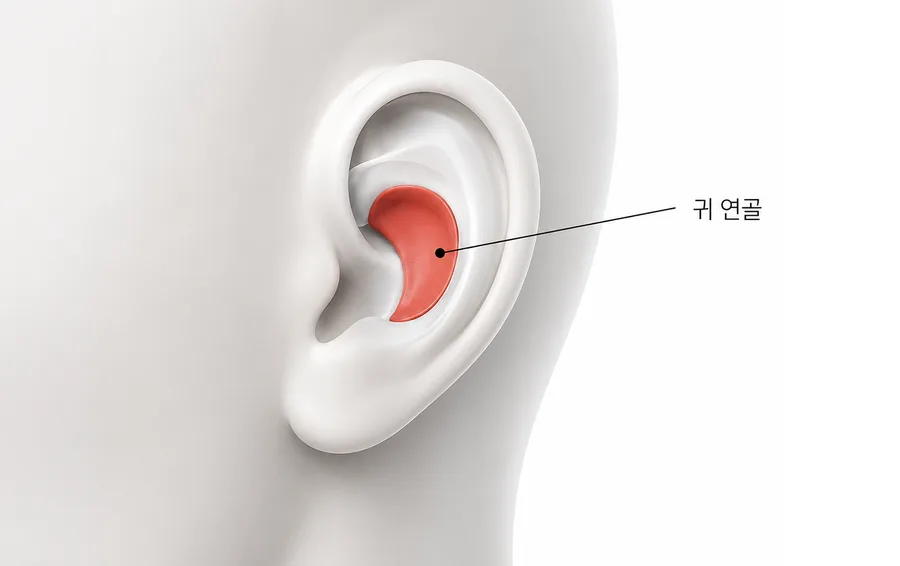
Ear Cartilage

The most commonly used material due to ease of harvest; excellent for shaping a natural and perky nasal tip.

Image area
Material 03

Autologous Rib Cartilage

Used when septal or ear cartilage is insufficient; primarily applied in revision surgeries or short nose cases requiring a larger cartilage volume.

Image area
Material 04

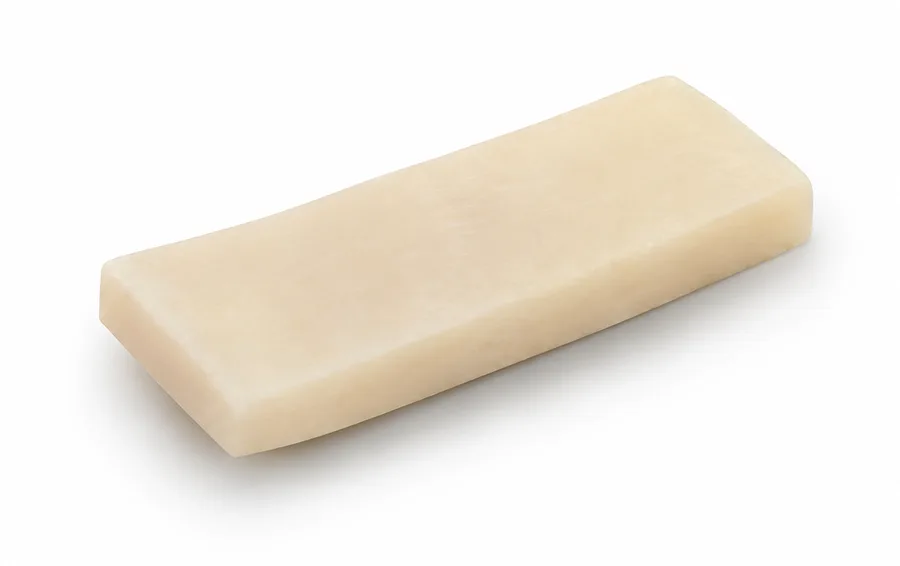
Donor Rib Cartilage

An allograft rib cartilage used when autologous harvest is difficult; it has a similar strength to autologous rib cartilage and is used for complex corrections.

+ Material Selection Principle

Each material is selected directly by the specialist, taking into comprehensive consideration nasal structure, available harvest volume, and whether revision is involved.

+ Consultation Guide

Through thorough in-person consultation, we select the most appropriate material for each individual and proceed with safe surgery.

Surgery Process

Rhinoplasty by Type Process

Using the optimal approach for each case — flat nose, hump nose, bulbous nose, and more —
we complete a nose line suited to each individual.

STEP 01

Precision Diagnosis

Nose line
and design planning

We comprehensively assess the condition of the bridge and tip, plan the post-surgery shape, and design the blueprint.

STEP 02

Line Design

Correcting tip
height and shape

After harvesting septal and ear cartilage, we correct the tip height and shape through a septal extension graft.

STEP 03

Surgery

Building the nose line
with autologous tissue

Each case is addressed accordingly: implant + autologous cartilage for flat nose; implant after rasping for hump nose; subcutaneous fat and soft tissue removal for bulbous nose.

STEP 04

Completion

A defined and
natural bridge completed

The procedure is concluded after skin closure and dressing are completed.

Surgical Method

Closed Rhinoplasty vs Open Rhinoplasty

The choice of surgical method affects the precision of results and recovery.
The specialist decides based on each type's nose condition.

Closed Rhinoplasty

  • Standard L-shaped silicone implant hand-carved to match individual nose shape
  • Uses the limited space inside the nose; limited surgical field makes it technically demanding
  • Applicable when the degree of correction required is not extensive
VS

Open Rhinoplasty

  • Incision made across the columella (nose column) combining inner nostril and columellar skin
  • Internal nasal structures are fully visible, allowing high precision and fine shaping
  • The incision scar may appear reddish initially but fades to invisible within 3–6 months
Both methods have their advantages and disadvantages; the choice is made after consultation with a specialist based on each individual's nose condition and the extent of correction needed.

Why PLEASURE

Why choose Pleasure Plastic Surgery
for Rhinoplasty by Type?

Rhinoplasty by Type is not simply a nose-lifting procedure.
We precisely analyze the root cause of each symptom, select methods and materials specialized for each type,
and complete the most natural and harmonious nose line for each individual.

Precise root-cause analysis by type

We use 3D-CT to precisely analyze the root cause of each type — flat nose, drooping tip, hump nose, short nose, bulbous nose, and deviated nose — and formulate a correction plan.

Customized material selection

The specialist personally selects the material optimized for each patient's nasal structure and type — from septal cartilage, ear cartilage, autologous rib cartilage, or donor rib cartilage.

Expert performance of
open and closed approaches

We select between open and closed techniques based on the extent of correction and nasal condition, performing surgery with precision and safety.

A natural line from every angle — front and side

From a balanced bridge in the frontal view to a natural tip angle from the side, we deliver high-quality results from every angle.

Pre-surgery state-of-the-art 3D-CT imaging

With our advanced 3D-CT system, we conduct systematic examinations and assess internal structure when replacing with 3D-custom implants.

FAQ

Frequently Asked Questions
The most common questions before Rhinoplasty by Type

Q What is the difference between Rhinoplasty by Type and standard rhinoplasty?
Rhinoplasty by Type first precisely analyzes the root cause of each symptom — flat nose, drooping tip, hump nose, etc. — then selects surgical techniques and materials specialized for each type. This personalized approach delivers more natural and harmonious results.
Q By what criteria are rhinoplasty materials selected?
Each material — septal cartilage, ear cartilage, autologous rib cartilage, or donor rib cartilage — is selected by comprehensively considering strength, available harvest volume, and whether revision is involved. Through thorough consultation with the specialist, the most suitable material for each patient's nasal structure and desired outcome is determined.
Q How long is the recovery period after surgery?
Surgery takes approximately 1 hour to 1 hour 30 minutes and is performed under IV sedation. Sutures are removed after 7 days and 1–2 follow-up visits are required. It may take 3–6 months for swelling to fully subside and for the final result to be confirmed.
Q Can revision surgery cases also be treated with Rhinoplasty by Type?
Yes. Revision cases involving deformity or side effects from previous surgery are also precisely analyzed with 3D-CT to assess current nasal condition, after which the optimal type-specific correction plan is designed and implemented.

Consultation

We design a nose line
perfectly suited to your face

Results of Rhinoplasty by Type vary depending on each person's nasal structure and facial proportion.
Through an in-person consultation, we use 3D-CT to assess your exact nasal condition and design the most natural and harmonious nose line together with you.

HoursMon–Fri 10:00–19:00 · Sat 10:00–17:00 · Closed Sun & Holidays

Before & After

Rhinoplasty Before & After

Actual results from our patients — before and after rhinoplasty. Only cases with patient consent are published.

BEFORE AFTER

PLEASURE DUAL SYSTEM

To surgical precision, we add the insight of skin science.

Pleasure's dual system where surgical structural improvement and dermatological texture restoration work in tandem. Designed with only what is needed, in the most harmonious sequence.