

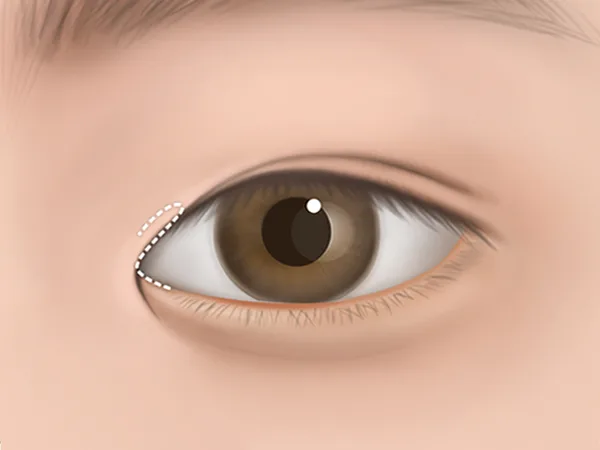
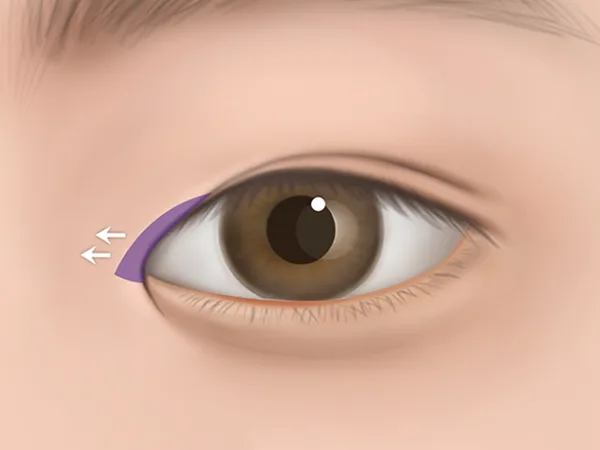
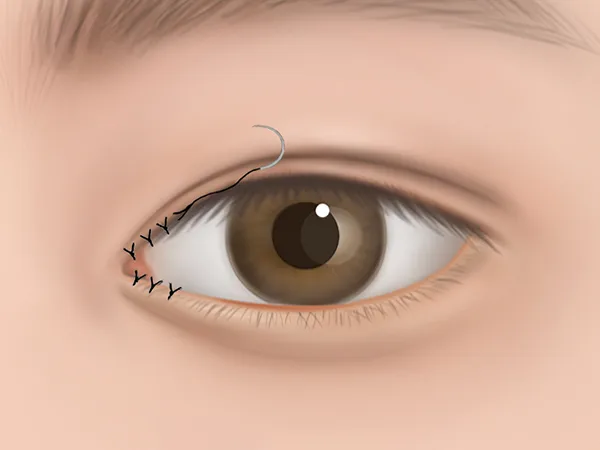
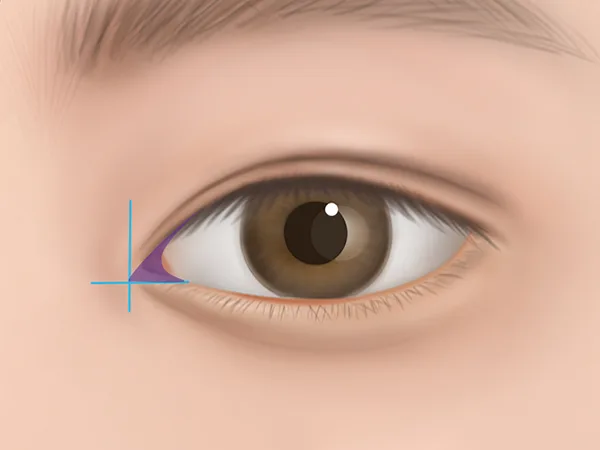



Canthoplasty main visual
CanthoplastyCanthoplasty

Canthoplasty

Discover the hidden space —
brighter, sharper eyes

By extending the horizontal and vertical dimensions of the eye, we create soft, refreshing eyes.
Expanding the eye space for a naturally wider,
larger eye shape.

Eye Enlargement Epicanthal Fold Correction Refreshing Eye Shape Epicanthoplasty · Restoration · Lateral 1:1 Personalized

Surgery Information

Surgery Information

Surgery details may vary by individual,
and side effects such as inflammation, bleeding, and nerve damage may occur and should be carefully considered.

Surgery Duration

Approx. 1 hour

Suture Removal

Not required

Anesthesia

Local / IV sedation

Follow-up Visits

Not required

Core Principles

Expanding the horizontal and vertical dimensions
for wider, brighter eyes

By extending the horizontal and vertical dimensions of the eye, we create soft, refreshing eyes.
Expanding the eye space for a naturally wider, larger eye shape.

POINT 01

Analysis of epicanthal fold shape,
severity, and harmony with the eyelid crease

To achieve natural, balanced canthoplasty, the shape and severity of the epicanthal fold as well as harmony with the eyelid crease must all be considered.

POINT 02

1:1 personalized surgery
tailored to overall facial harmony

Our board-certified plastic surgeons combine years of extensive clinical experience, refined technique, and aesthetic sensibility to create eyes that suit each individual.

POINT 03

Minimal tissue trauma and swelling
for faster recovery

To minimize scarring, the placement of the incision line is critical; tissue must be handled delicately so the skin can be sutured without tension.

Comparison

Canthoplasty3 Methods — At a Glance

The most suitable method varies based on inter-eye distance, epicanthal fold, outer corner shape, and prior canthoplasty history.

Epicanthoplasty

Correct the epicanthal fold
to widen horizontal eye length

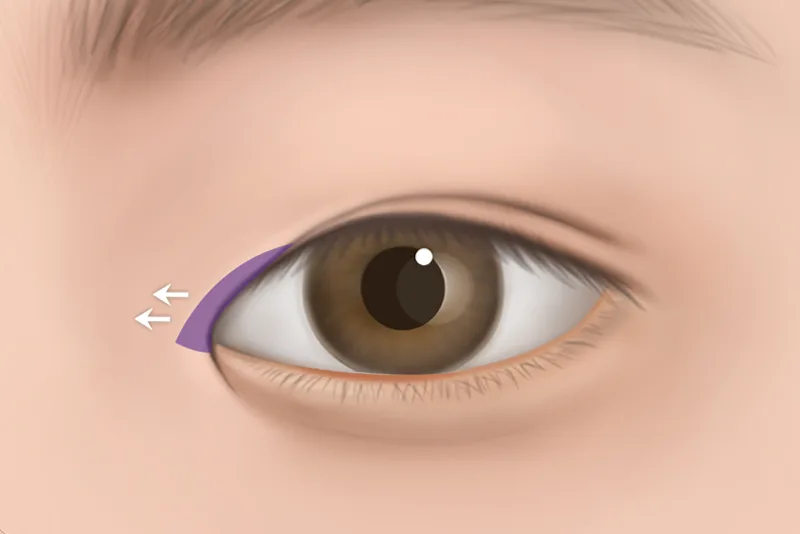
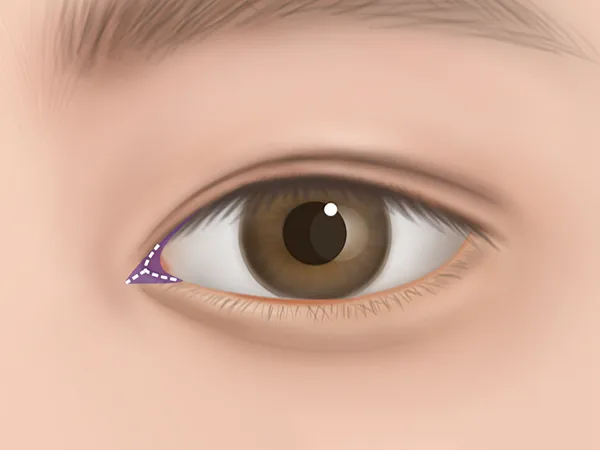
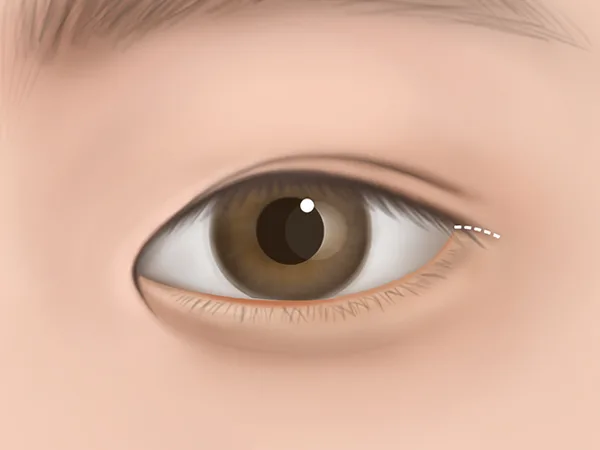
  • Surgery to relieve a heavy appearance by correcting the epicanthal fold at the inner corner
  • Ideal when inter-eye distance is wide or horizontal eye length is short
  • Recommended for those who want larger, more open-looking eyes
Epicanthoplasty Restoration

Natural reconstruction of overcorrection,
scarring, and lacrimal lake exposure

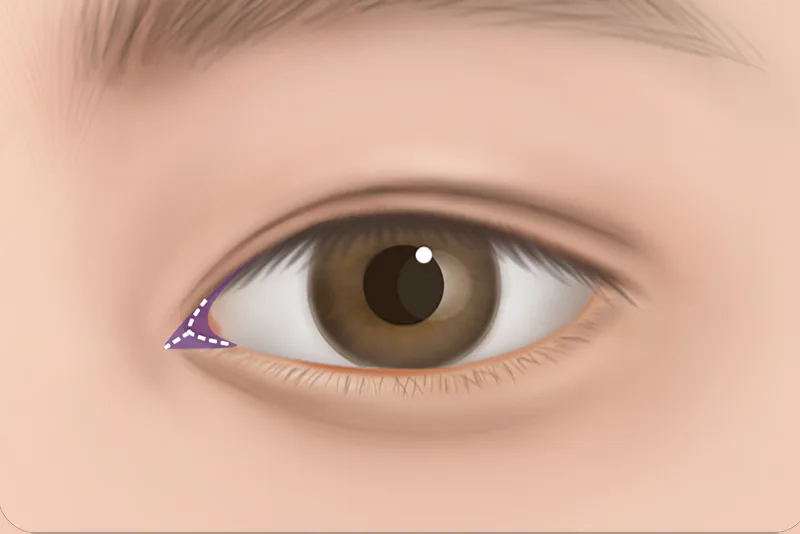
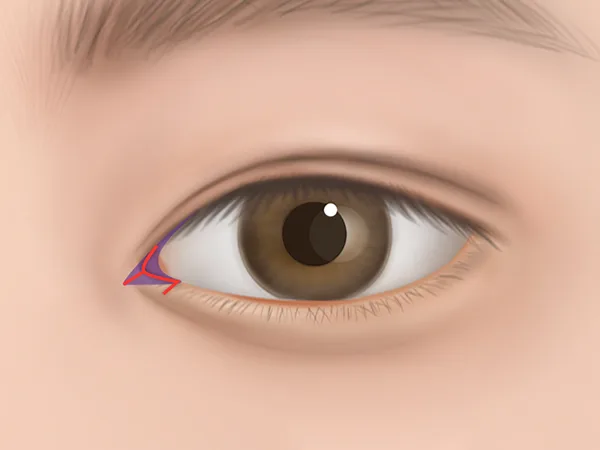
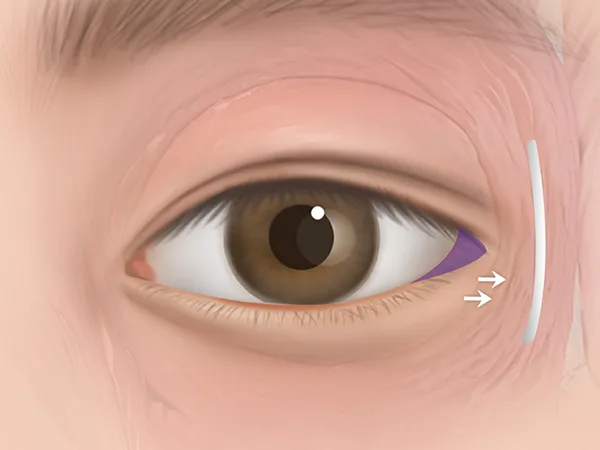
  • V-Y advancement and Z-plasty to close an over-opened inner corner and restore natural appearance
  • Ideal for overcorrected epicanthoplasty resulting in exposed lacrimal lake, harsh appearance, or scarring
  • Can also reduce existing scars simultaneously
Lateral Canthoplasty

Fix the outer corner to the periosteum
for soft, refreshing eyes

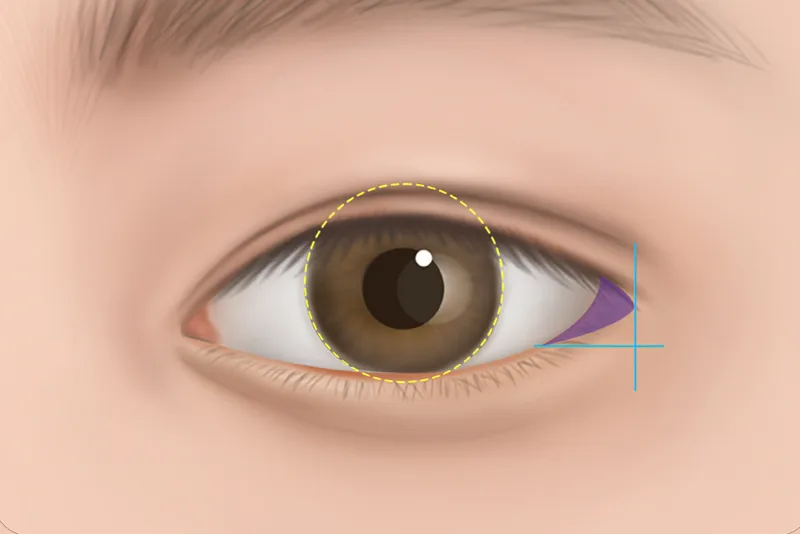
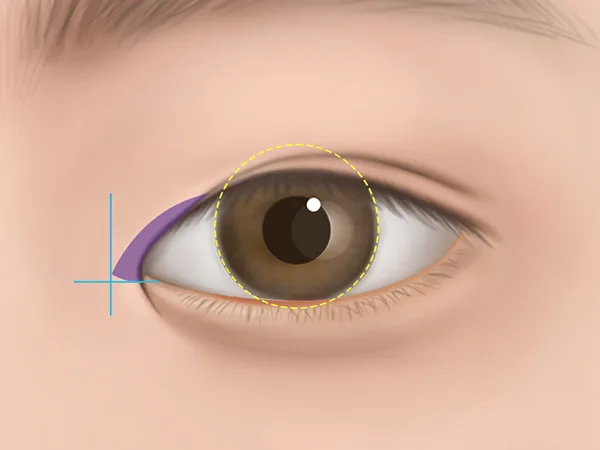
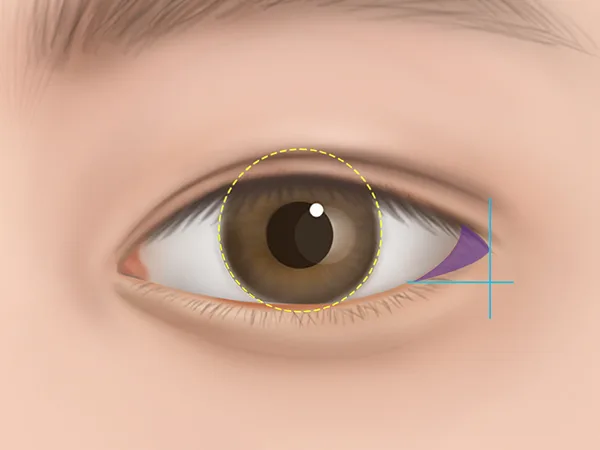
  • Anchors the outer canthal tendon to the periosteum for an ideal angle and extended length
  • Suitable when eyes are set close together making epicanthoplasty difficult, or horizontal width is short
  • Recommended for those who desire deep-set, soft eyes

Type Details

Canthoplastyby Method
Ideal Cases & Surgical Process

Select a tab below to view the ideal cases
and step-by-step surgical process for each method.

Epicanthoplasty

Correcting the epicanthal fold
for wider, brighter eyes

Epicanthoplasty corrects the epicanthal fold covering the inner corner of the eye, relieving the heavy, congested appearance and lengthening the horizontal eye dimension for wider, brighter eyes. Depending on the direction of the release — forward (epicanthoplasty) or diagonally upward at 45° (superior epicanthoplasty) — the procedure subtly extends both horizontal and vertical eye length, creating a refreshing inner corner without making the eyes appear too close together.

Effective Cases

When Epicanthoplasty Is Effective

CASE 01

Wide inter-eye distance

CASE 02

Epicanthal fold creates a heavy or intense appearance

CASE 03

Sharply pointed inner corner

CASE 04

Short horizontal eye length giving a closed-off look

CASE 05

Desire for larger, more open-looking eyes

CASE 06

Limited scleral exposure making eyes appear crowded

Surgery Process

Epicanthoplasty Process

Expanding the inner corner (epicanthal fold) creates a sharper, more defined eye shape.
Epicanthoplasty repositions or removes the epicanthal fold for larger, more distinct eyes.

STEP 01

Pre-operative Design

Before surgery, the individual eye shape, skin thickness, and fat distribution are thoroughly assessed.

STEP 02

Incision along
the medial canthus

An incision is made along the medial canthus to release the epicanthal fold.

STEP 03

Subcutaneous dissection
to minimize tension

Careful subcutaneous dissection minimizes tension so scars do not widen over time.

STEP 04

Meticulous suturing

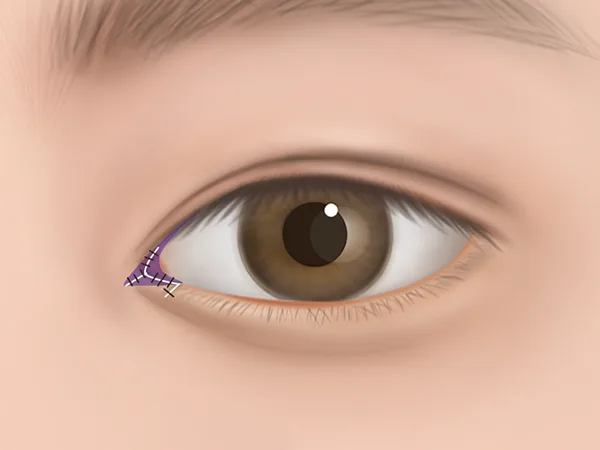
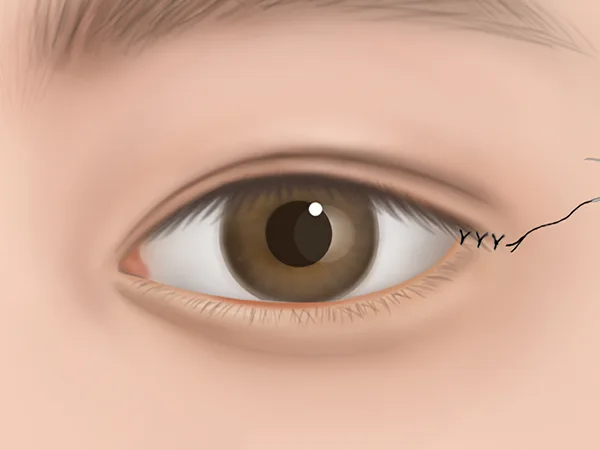
Excess skin is removed and the incision is carefully closed inward so it remains invisible.

Epicanthoplasty Restoration

Over-opened inner corner
naturally restored

Epicanthoplasty restoration appropriately closes the over-opened inner corner to rebuild a natural appearance while also reducing existing scars. Post-surgical overcorrection can lead to excessive lacrimal lake exposure, causing a reddened, harsh look; or significant scarring such as pitted or hook-shaped scars can reduce overall satisfaction.

Effective Cases

When Epicanthoplasty Restoration Is Effective

CASE 01

Inter-eye distance narrowed due to excessive epicanthoplasty

CASE 02

Lacrimal lake excessively exposed after epicanthoplasty

CASE 03

Severe eye irritation following epicanthoplasty

CASE 04

Significant scarring resulting from epicanthoplasty

CASE 05

Epicanthal fold worsened after epicanthoplasty

CASE 06

Desire to restore a natural eye appearance after epicanthoplasty complications

Surgery Process

Restoration Process

The overall eye condition is thoroughly assessed and surgery is performed within a safe range.
The over-opened inner corner is closed and existing issues corrected for a natural, balanced restoration.

STEP 01

Pre-operative Design

After thorough consultation to understand current eye condition and goals, a surgical plan is developed and incision lines designed.

STEP 02

V-Y advancement to
close the inner corner

Adequate dissection minimizes skin tension, and V-Y advancement closes the over-opened inner corner.

STEP 03

Z-plasty to
minimize skin tension

Z-plasty minimizes skin tension to reduce scarring over time.

STEP 04

Meticulous suturing

Excess skin is removed and the incision is carefully closed inward so it remains invisible.

Lateral Canthoplasty

Anchoring the outer corner to the periosteum
for soft, refreshing eyes

Lateral canthoplasty anchors the outer canthal tendon to the periosteum, creating an ideal angle that softens the overall impression while naturally extending the outer corner for brighter eyes. Considering each individual's lacrimal lake shape and eye type, we design the optimal method to extend horizontal and vertical eye dimensions for larger, sharper eyes.

Effective Cases

When Lateral Canthoplasty Is Effective

CASE 01

Desire to extend horizontal eye length

CASE 02

Eyes appear heavy or congested

CASE 03

Normal outer corner angle but short horizontal width

CASE 04

Desire for deeper, softer-looking eyes

CASE 05

Limited outer scleral exposure giving the appearance of exotropia

CASE 06

Eyes set close together making epicanthoplasty difficult

Surgery Process

Lateral Canthoplasty Process

Considering the outer corner shape and height, the canthal tendon and surrounding tissue are repositioned after incision.
Firm fixation to the periosteum creates refreshing yet soft-looking eyes.

STEP 01

Pre-operative Design

Before surgery, the individual eye shape, skin thickness, and fat distribution are thoroughly assessed.

STEP 02

Incision of the inner conjunctival area

The posterior conjunctival mucosa is removed and an incision is made to firmly anchor the tissue to the periosteum.

STEP 03

Fixing the orbicularis muscle
to prevent recurrence

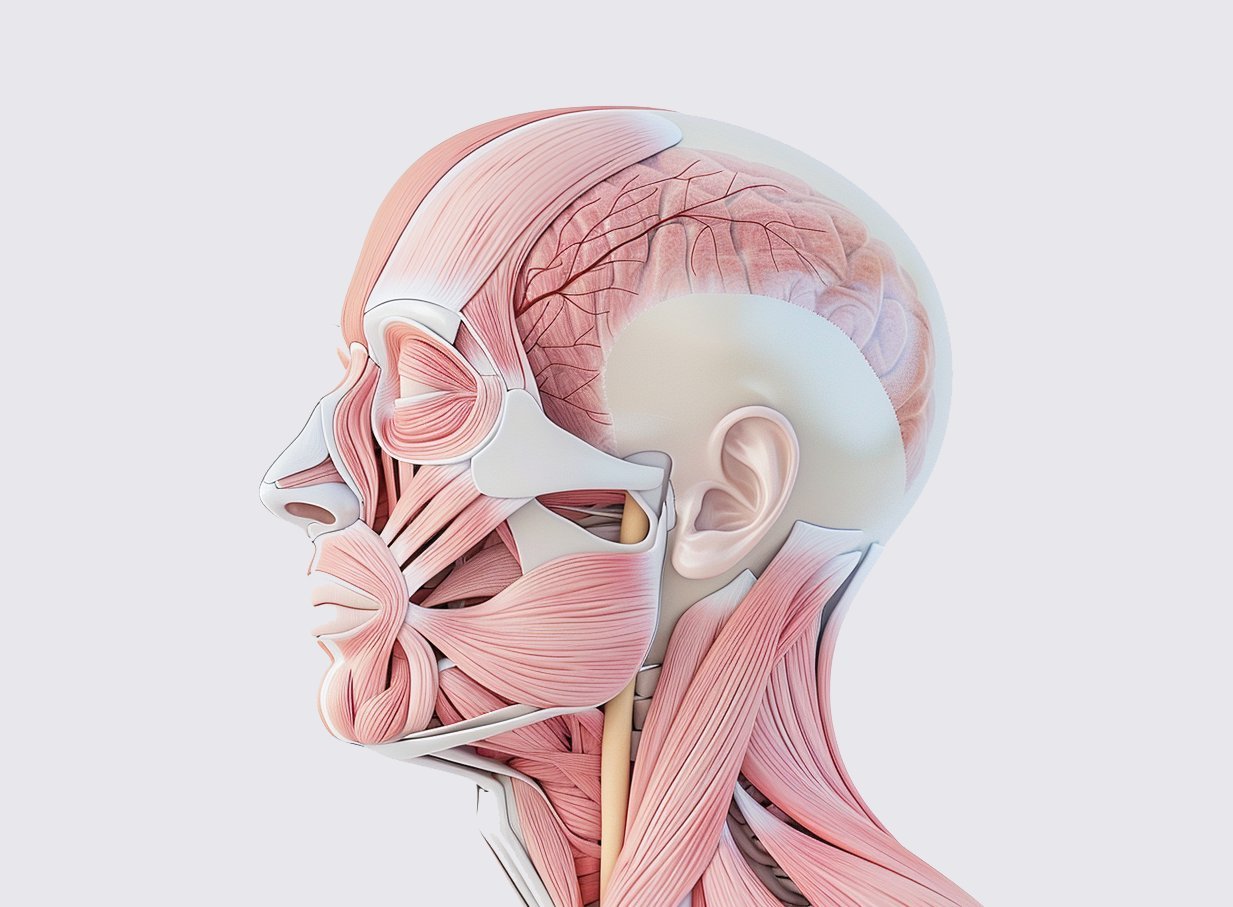
To prevent re-adhesion, the dissected orbicularis oculi muscle is firmly secured to the periosteum.

STEP 04

Meticulous suturing

Excess skin is removed and the incision is carefully closed inward so it remains invisible.

Pleasure Difference

Pleasure's Canthoplasty — What Sets Us Apart

In canthoplasty, subtle design differences can completely transform the impression.
Pleasure designs the most natural result within the balance of the entire face.

POINT 01

Eye surgery that preserves
overall facial balance

Before surgery, we precisely analyze the individual's brow-to-eye distance, eye length, skin thickness, fat volume, eyelid ptosis, eye-opening strength, and brow position — then design a refined 1:1 personalized procedure.

POINT 02

Minimal tissue damage for
reduced scarring and swelling

By using minimally invasive micro-incision techniques, scarring is nearly invisible; personalized post-operative care enables a swift return to daily life.

POINT 03

Post-operative care
for a better QOL

Our systematic post-care program manages bruising, swelling, and scarring for faster recovery — including SmartLux, anti-swelling injections, and scar-reduction injections tailored to each patient.

Before & After

CanthoplastyBefore & After

See the transformation of actual patients who have undergone surgery.
* Results may vary by individual.

CASE 01 Epicanthoplasty BEFORE
AFTER
CASE 02 Epicanthoplasty + Lateral Canthoplasty BEFORE
AFTER
CASE 03 Lateral Canthoplasty BEFORE
AFTER
CASE 04 Epicanthoplasty Restoration BEFORE
AFTER

Aftercare

Post-operative care system
for a better quality of life

Our systematic post-care program manages bruising, swelling, and scarring
for faster recovery.

SmartLux

Bruising & swelling management, pain relief

Medical-grade LED therapy accelerates wound healing and reduces swelling and bruising after surgery.

Anti-Swelling Injection

Reduces swelling, aids wound recovery

Removes swelling at the wound site and promotes blood circulation for effective reduction of swelling and bruising.

Scar-Reduction Injection

Wound recovery, scar tissue treatment

Gently softens post-surgical scar tissue and reduces swelling to restore skin to its natural condition.

Why PLEASURE

Unrivaled expertise built on experience —
Why Choose Pleasure

From 1:1 personalized consultation and surgery to every step of recovery — through our dedicated Doctors system,
We do our utmost to create a distinctive beauty.

PLEASURE POINT 01

reflecting your personal taste,
Custom Design

We analyze each person's unique preferences and facial structure from multiple angles to naturally enhance their most flattering appearance.

PLEASURE POINT 02

university-hospital-grade
equipped with safe surgical facilities

With an advanced sterile operating room, uninterruptible power supply, dantrolene, defibrillator, and more, we maintain complete readiness for any possible emergency at all times.

PLEASURE POINT 03

systematic
after-care system

Because post-operative care can significantly affect outcomes, our personalized aftercare program helps each patient return to daily life as quickly as possible.

FAQ

Before Canthoplasty —
Frequently Asked Questions

Q How do I decide between epicanthoplasty, restoration, and lateral canthoplasty?
The decision is based on inter-eye distance, severity of the epicanthal fold, outer corner shape, and prior canthoplasty history. Epicanthoplasty suits wide inter-eye distance with a prominent fold; restoration is appropriate for overcorrection, scarring, or lacrimal lake exposure after prior epicanthoplasty; lateral canthoplasty is ideal for short horizontal width or those wanting a deeper, softer look. We will guide you to the best method through a thorough in-clinic examination.
Q Can canthoplasty be performed together with double eyelid surgery?
Yes, canthoplasty is very often performed alongside double eyelid surgery. Combining both procedures simultaneously extends the horizontal and vertical eye dimensions, resulting in larger, more defined eyes — making it highly effective. It can also be combined with Ptosis Correction.
Q How long is the recovery period?
Canthoplasty uses minimally invasive micro-incision techniques, so scarring and swelling are relatively minor. Major swelling typically subsides within about a week, allowing a return to daily activities. Full scar maturation takes approximately 3–6 months. Recovery can be accelerated with post-care such as SmartLux and anti-swelling injections.
Q Will canthoplasty leave significant scars?
To minimize scarring, the placement of the incision line is critical, and tissue must be handled delicately so the skin can be sutured without tension. Careful subcutaneous dissection minimizes tension and meticulous inward suturing ensures the scar is nearly invisible.
Q I've heard lateral canthoplasty can reattach — is recurrence a concern?
To prevent re-adhesion, tissues that promote adhesion are removed, and the dissected orbicularis oculi muscle is firmly fixed to the periosteum — minimizing the risk of recurrence.
Q After epicanthoplasty, my lacrimal lake is too exposed. Can it be restored?
Yes, epicanthoplasty restoration is possible. After accurately assessing the quality and quantity of skin at the inner corner and the overall eye shape, V-Y advancement and Z-plasty are used within a safe range. The over-opened inner corner is appropriately closed for a natural appearance, and existing scars can be reduced at the same time.

Consultation

Free yourself from a heavy gaze —
the beginning of brighter, sharper eyes

The most suitable canthoplasty method varies by inter-eye distance, epicanthal fold, outer corner shape, and prior surgery history.
We will design the best approach for you through an in-clinic consultation.

HoursMon–Fri 10:00–19:00 · Sat 10:00–17:00 · Closed Sun & Holidays

Before & After

CanthoplastyBefore & After

Actual results from our patients — epicanthoplasty, lateral canthoplasty, restoration, dual canthoplasty, and micro canthoplasty before & after. Only cases with patient consent are published.

BEFORE AFTER

PLEASURE DUAL SYSTEM

To surgical precision, we add the insight of skin science.

Pleasure's dual system where surgical structural improvement and dermatological texture restoration work together. Designed with only what is needed, in the most harmonious order.