
Earlobe Surgery main visual
EarlobeEarlobe Surgery

Earlobe Reconstruction

Earlobe Surgery Creating a
Natural, Soft
Earlobe Line Tailored to the Degree of Cleft and Ear Shape

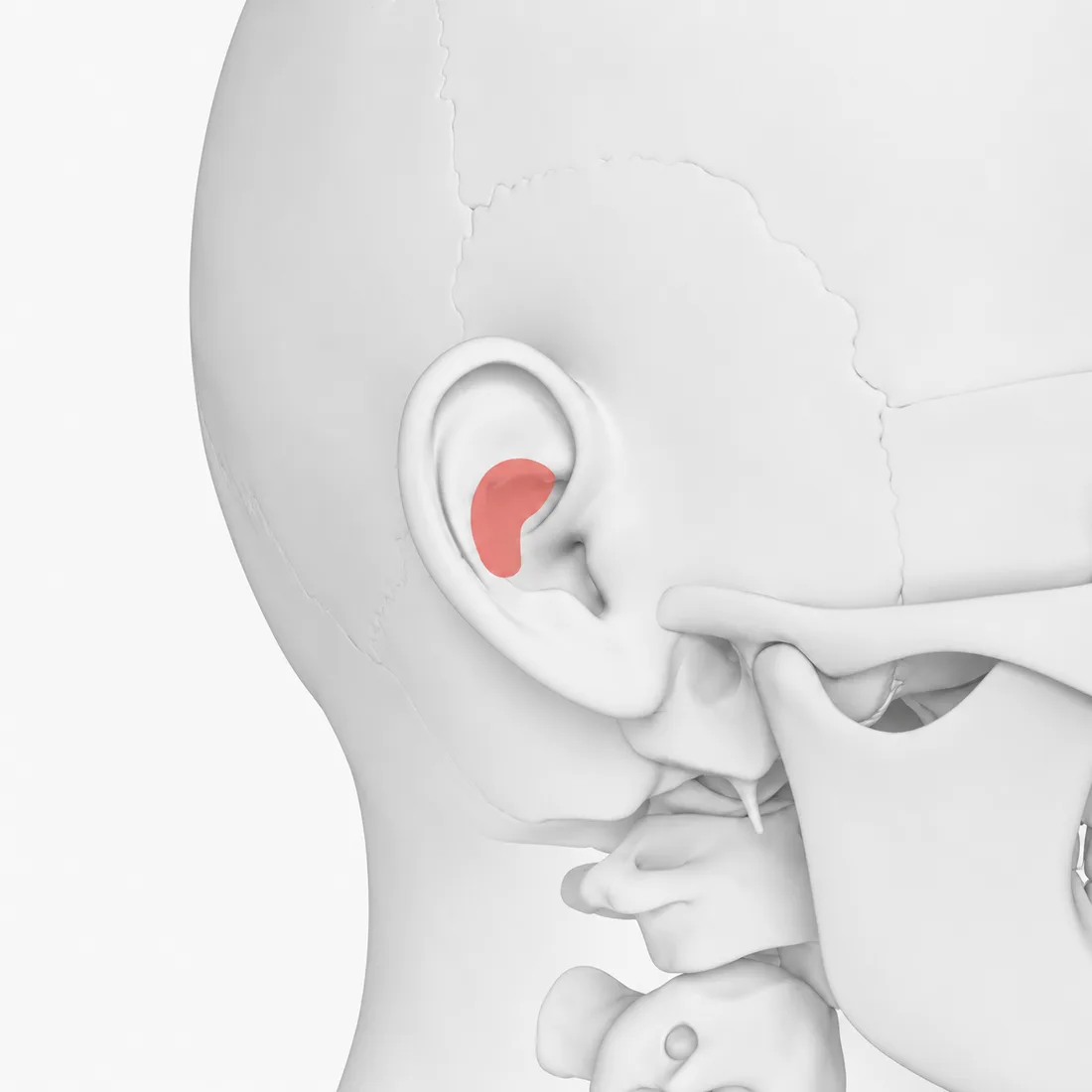
Earlobe clefting occurs due to congenital or acquired factors.
Acquired damage from earring wear is among the most common causes.
Surgical methods are tailored to the degree of clefting and the shape of the ear, achieving satisfying results.

Surgery Information

Surgery Information

Surgery details may vary by individual,
and side effects such as inflammation, bleeding, and nerve damage may occur — please consult your doctor.

Surgery Duration

30 min – 1 hour

Anesthesia

IV Sedation

Suture Removal

5–7 days post-op

Follow-up Visits

1 visit

Recommended For

Earlobe Surgery — When It's Effective

If any of the following apply to you,
Earlobe Surgery may be the right solution.

CASE 1

Congenitally cleft or bifid earlobe

CASE 2

Earlobe torn due to trauma

CASE 3

Earlobe shape distorted by earring wear

CASE 4

Significant scarring remaining on the ear

Why Pleasure

Cleft or Deformed Earlobes,
Restored to a Beautiful, Natural Shape

Surgical methods are tailored to the degree of clefting and ear shape,
delivering results that go beyond simple repair to achieve truly satisfying outcomes.

POINT 01

Extensive Multi-Year Clinical Experience

Trusted Doctor Expertise

You can trust in the direct surgical expertise of our board-certified plastic surgeon, who combines years of extensive clinical experience, refined technique, and a keen aesthetic sensibility.

POINT 02

Considering Facial Balance and Harmony

Natural Reconstruction

Aesthetically deficient ears are improved naturally to resemble their original shape, with careful consideration of overall facial balance and harmony.

POINT 03

Customized Surgical Planning

Tailored to Degree of Clefting and Ear Shape

When volume is insufficient compared to a normal ear, dermis grafting may be performed using skin-cartilage tissue from behind the ear, or from the groin or buttock area.

Surgery Process

Earlobe Surgery — Surgical Process

Earlobe clefting presents as a bifid or split earlobe and is classified as congenital or acquired.
Acquired earlobe clefting is most commonly caused by damage from earring wear,
and cases where the earlobe has been severed or torn due to trauma can also be corrected through earlobe surgery.

STEP 01

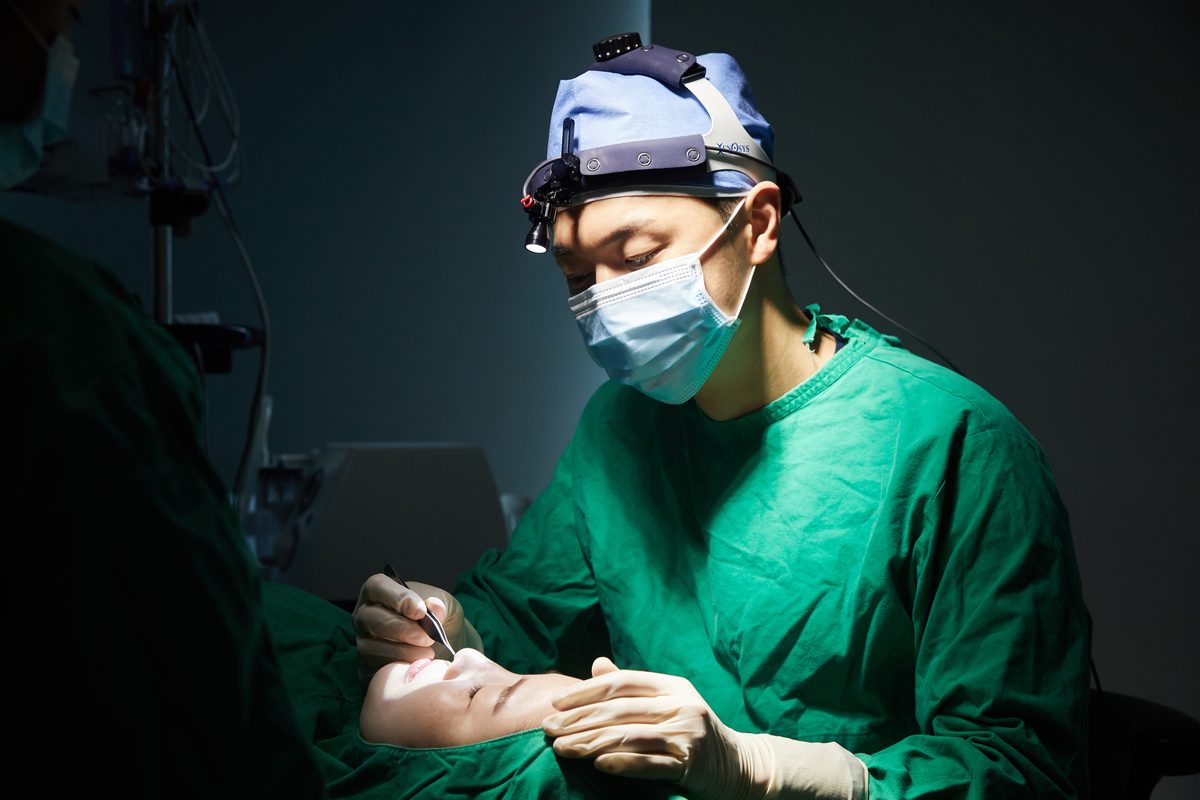
Surgical Planning
Based on Earlobe Condition

An appropriate design is created based on the shape, degree, and location of the earlobe cleft.

STEP 02

Skin Excision to Remove
Rolled-In Tissue

An incision is made in the skin to remove unnecessary tissue.

STEP 03

Creating a Natural,
Soft Earlobe Line

Skin tissue is repositioned according to the design to create a smooth, natural earlobe line.

STEP 04

Meticulous Suturing
to Complete the Procedure

Precise and careful suturing minimizes scarring.

Pleasure Specialty

Two Special Features of
Pleasure Earlobe Surgery

POINT 01

Preserving Autologous Auricular Cartilage
in Anticipation of Future Rhinoplasty

Auricular cartilage — flexible and pliable, similar in quality to nasal tip cartilage — can serve as a grafting material for Rhinoplasty. Even without current Rhinoplasty plans, we preserve the patient's own auricular cartilage as a precaution against any future need.

POINT 02

Natural Earlobe Reconstruction
Even for Complex Cleft Patterns

Simple horizontal or vertical clefts can be corrected with a straightforward suture repair, while more complex cleft patterns are addressed using tissue from the earlobe itself or surrounding areas. When volume is insufficient compared to a normal ear, dermis grafting may be performed using skin-cartilage tissue from behind the ear, or from the groin or buttock area.

Before & After

Earlobe SurgeryBefore & After

Actual cases where surgery was customized
to the degree of clefting and ear shape.

Case 01
BEFORE
AFTER

Earlobe Cleft Caused by Earring Wear

A natural earlobe line can be observed from multiple angles — front, 45-degree, and side views.

1 Month Post-op
Case 02
BEFORE
AFTER

Congenitally Cleft Earlobe

A smooth earlobe contour can be verified from multiple angles — front, 45-degree, and side views.

5 Months Post-op
Case 03
BEFORE
AFTER

Earlobe Torn Due to Trauma

The restored earlobe shape can be confirmed from multiple angles — front, 45-degree, and side views.

1 Month Post-op

Why PLEASURE

built on experience,
unrivaled expertise

Through our dedicated doctor system covering 1:1 personalized consultation, surgery, and the entire recovery process,
We do our utmost to create a distinctive beauty.

Pleasure Point 01
Customized Design Reflecting Individual Preferences

Each patient's unique preferences and facial structure are analyzed from multiple perspectives to achieve the most flattering, natural enhancement.

Pleasure Point 02
University Hospital-Grade Safety Equipment

We maintain complete safety readiness to respond to any possible emergency, including a state-of-the-art sterile operating room, an uninterruptible power supply, dantrolene, and a defibrillator.

Pleasure Point 03
Systematic Aftercare System

Because post-operative results can vary significantly based on aftercare, we provide a personalized aftercare program for each patient to support a quick and smooth recovery.

FAQ

Before Earlobe Surgery
Frequently Asked Questions

Q What is the difference between congenital and acquired earlobe cleft?
An earlobe cleft is a condition where the earlobe is bifid or split, and is classified as either congenital or acquired. Acquired earlobe cleft most commonly results from earring-related damage, and cases where the earlobe has been severed or torn due to trauma can also be corrected through earlobe surgery.
Q How does this differ from simple suture repair?
Simple horizontal or vertical tears can be corrected with a straightforward suture repair, but more complex tears are addressed using tissue from the earlobe itself or surrounding areas. When volume is insufficient compared to a normal ear, dermis grafting may be performed using skin-cartilage tissue from behind the ear, or from the groin or buttock area.
Q Why is the patient's own auricular cartilage preserved?
Auricular cartilage is flexible and pliable — similar in quality to nasal tip cartilage — and can serve as grafting material for Rhinoplasty. Even without current Rhinoplasty plans, the surgery is performed while preserving the patient's own auricular cartilage in preparation for any potential future procedure.
Q When are the sutures removed after surgery?
Sutures are removed 5 to 7 days after surgery. Only one follow-up visit is required, though this may vary depending on individual condition.
Q Will there be scarring after surgery?
Precise and careful suturing minimizes scarring. Natural results are achieved through the direct care of our board-certified plastic surgeon, who brings years of extensive clinical experience, refined technique, and a keen aesthetic sensibility.

Consultation

Every Ear Shape Calls for a Different Approach —
Accurate Diagnosis Comes First

Through an in-person consultation, we will plan together — considering the degree of clefting, ear shape, and volume condition.

HoursMon–Fri 10:00–19:00 · Sat 10:00–17:00 · Closed Sun & Holidays

Before & After

Earlobe SurgeryBefore & After

Actual results from our patients — Earlobe Surgery before & after. Only cases with patient consent are published.

BEFORE AFTER

PLEASURE DUAL SYSTEM

To surgical precision, we add the insight of skin science.

Pleasure's dual system works by combining surgical structural improvement with dermatological texture restoration. We design each plan using only what is necessary, in the most harmonious order.