
Implant-Free Rhinoplasty Main Visual
Implant-Free Rhinoplasty Implant-Free Rhinoplasty

No-Implant Rhinoplasty

Possible Without Implants
More Natural Results with Your Own Tissue

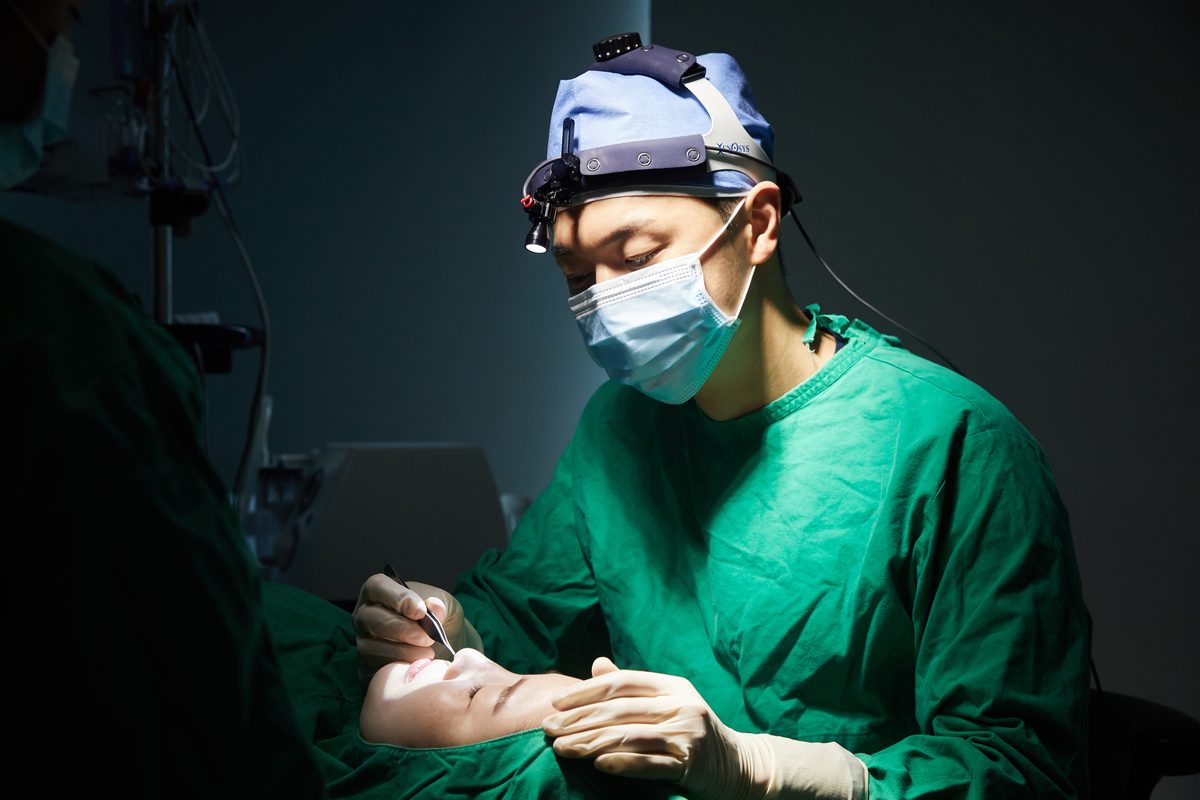
Implant-Free Rhinoplasty is not simply rhinoplasty without an implant.
Using autologous tissue such as the septal, ear, and rib cartilage, we meticulously engineer the nasal support structure, delivering
a natural and stable nasal line free from any foreign-body sensation.

Autologous Tissue 3D-CT Diagnosis Custom Support Design Minimal Foreign-Body Sensation & Side Effects Simultaneous Functional Improvement

Surgery Information

Surgery Information

Surgery details may vary by individual,
and side effects such as inflammation, bleeding, and nerve damage may occur, so caution is advised.

Procedure Type

Autologous Tissue

Anesthesia

IV Sedation

Surgery Duration

Approx. 2–4 hours

Return to Daily Life

7–10 days after

Your Concerns

Do Any of These Concerns Apply to You?

If any of the following apply to you,
Implant-Free Rhinoplasty may be worth considering.

Concerned about implant foreign-body sensation or visibility through skin

Wanting to maintain stable nasal shape after implant removal

Need revision surgery and want to switch to autologous tissue this time

Desiring a nose with a natural feel and movement

Concerned about implant-related side effects such as inflammation or contracture

Wanting to build a long-term stable nasal structure

Core Principles

No Implant Needed —
Precisely Designed with Your Own Tissue

Using autologous tissue such as septal, ear, and rib cartilage to reshape the nose.
You can expect a natural feel and movement with reduced concern about foreign-body sensation, and the most suitable autologous tissue is selected to match each individual's nasal structure and tissue condition.

POINT 01

Natural Results Without Foreign-Body Sensation

Autologous Tissue Use

Using only autologous tissue without artificial implants minimizes concerns about foreign-body feeling and side effects, delivering natural results.

POINT 02

Precision Support Structure Design

Custom Support Design

The support structure of the nasal tip and bridge is meticulously designed to maintain a line that does not sag or deform over time.

POINT 03

Optimal Tissue Selection per Individual

Based on 1-on-1 Precision Analysis

Among septal, ear, and rib cartilage, the most suitable material for the individual's nasal condition is selected for surgery.

+ Implant-Free Rhinoplasty Requires More Refined Skill Than Implant-Based Surgery

Since both the nasal shape and support structure must be designed simultaneously using only autologous tissue without artificial implants, extensive clinical experience and precise analysis are essential. Pleasure meticulously analyzes each patient's cartilage condition and selects the most suitable tissue to complete a natural and stable nasal line.

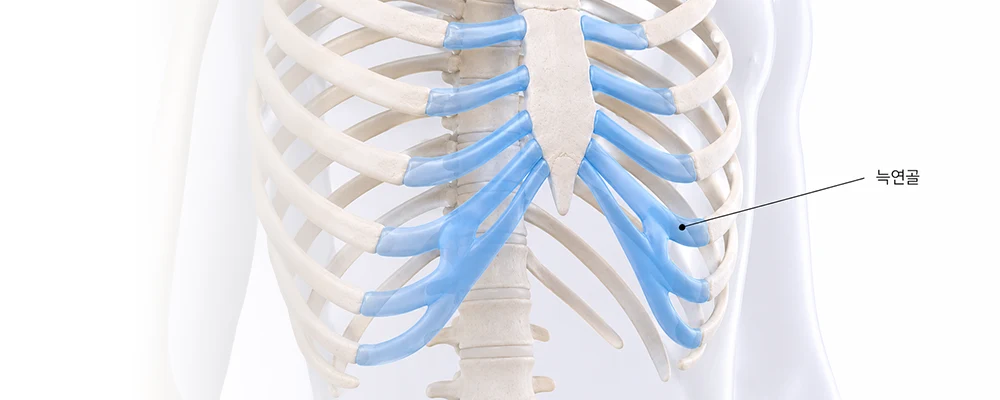
Autologous Tissue

Which Autologous Tissue Is Used?

The optimal autologous tissue is selected
according to each individual's nasal structure and condition.

01
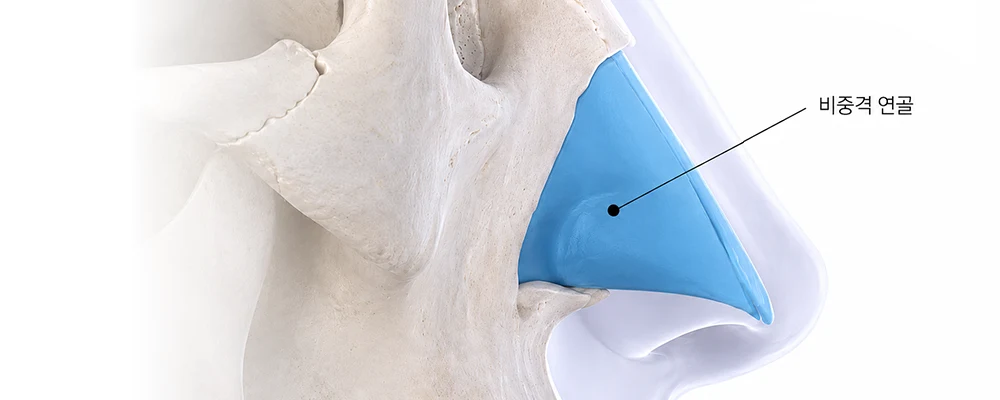
Septal Cartilage
The primary autologous cartilage
harvested from inside the nose
Selection Criteria
  • The size and availability of septal cartilage are confirmed by CT before proceeding.
Characteristics
  • Harvested via an internal nasal incision, leaving no external scar.
  • Its relatively firm nature provides stable support.
  • As autologous cartilage, it feels natural with minimal foreign-body concern.
02
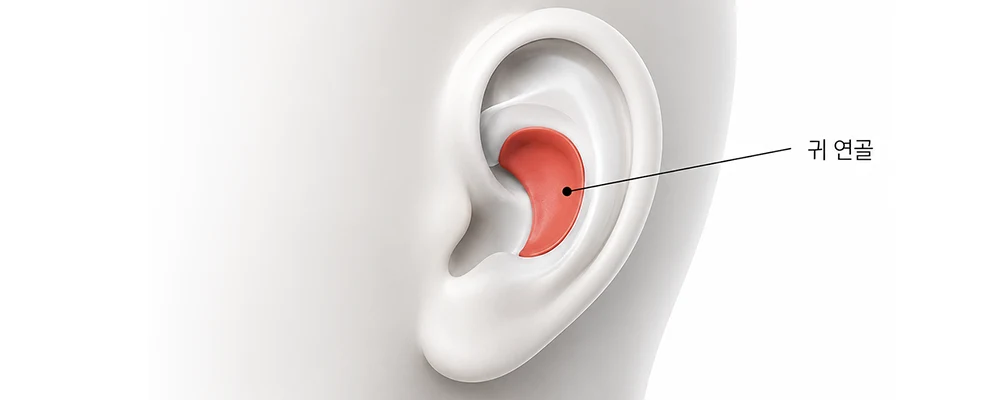
Ear Cartilage
A soft autologous cartilage
that allows flexible, curved shaping
Selection Criteria
  • Used when septal cartilage is insufficient or a softer nasal tip contour is desired.
Characteristics
  • Its flexible nature allows natural curved shaping.
  • Movement and feel are soft and natural.
  • Harvested from behind the ear, where the scar is inconspicuous.
03
Autologous Rib Cartilage
The autologous cartilage most suited
for strong support and structural formation
Selection Criteria
  • Used when strong support and structural formation are needed from the bridge to the tip.
Characteristics
  • Harvested from the patient's own rib, providing an ample supply.
  • Offers the strongest support and excellent durability.
  • Forms a solid central support structure for the nose.
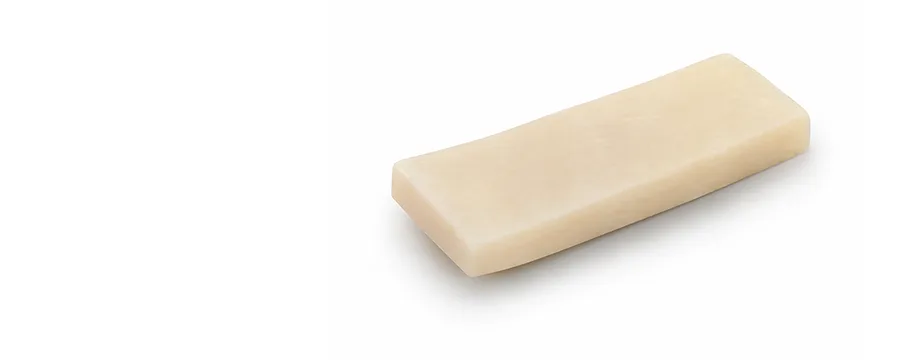
Donor Rib Cartilage
04
Donor Rib Cartilage
Processed rib cartilage available
without the burden of harvesting
Selection Criteria
  • Used when strong support is required but harvesting autologous rib cartilage is a concern.
Characteristics
  • Available without a separate harvesting procedure, reducing surgical burden.
  • Provides strong support similar to autologous rib cartilage.
  • Undergoes a safety-verified processing procedure.

Surgery Cases

Same Implant-Free Rhinoplasty —
No Two Approaches Are Alike

The tissue used and surgical method differ
depending on nasal condition and desired outcome.

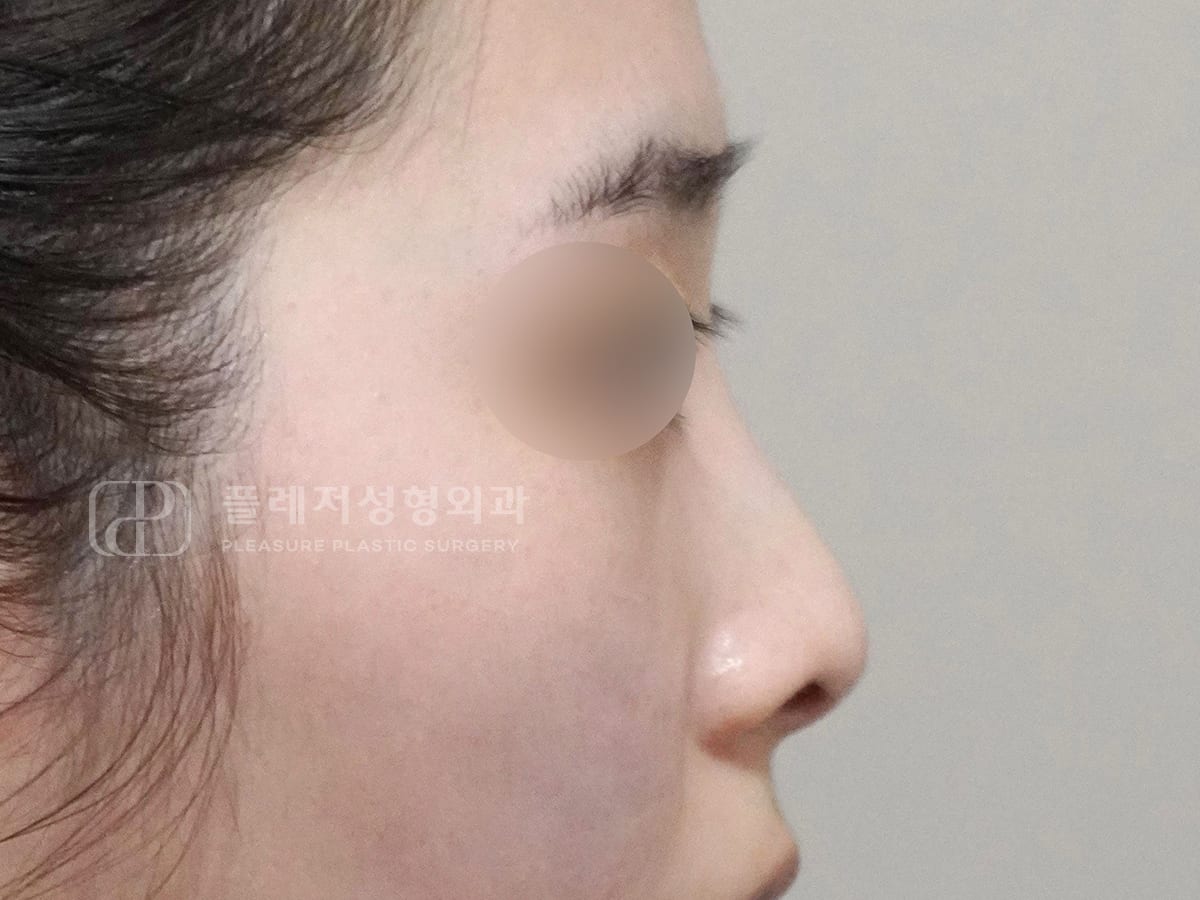
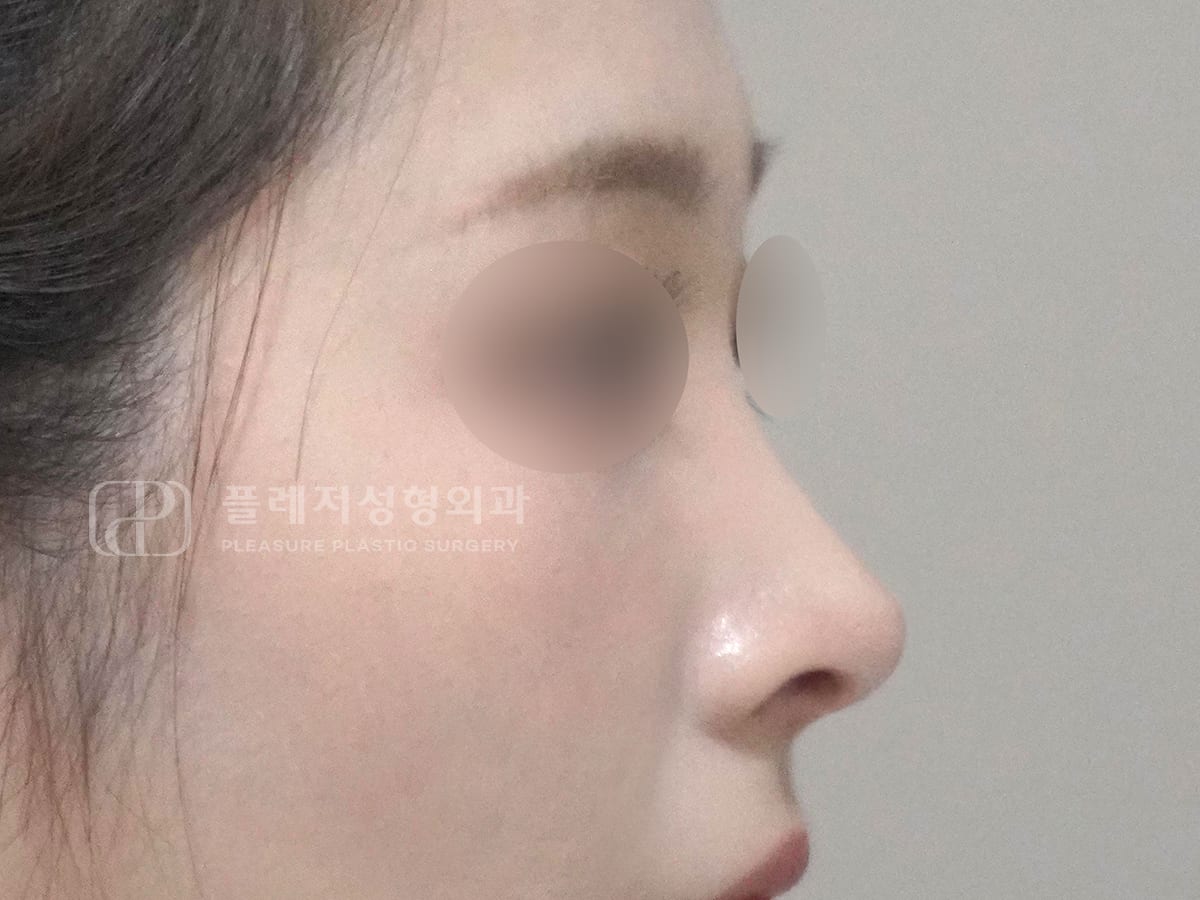
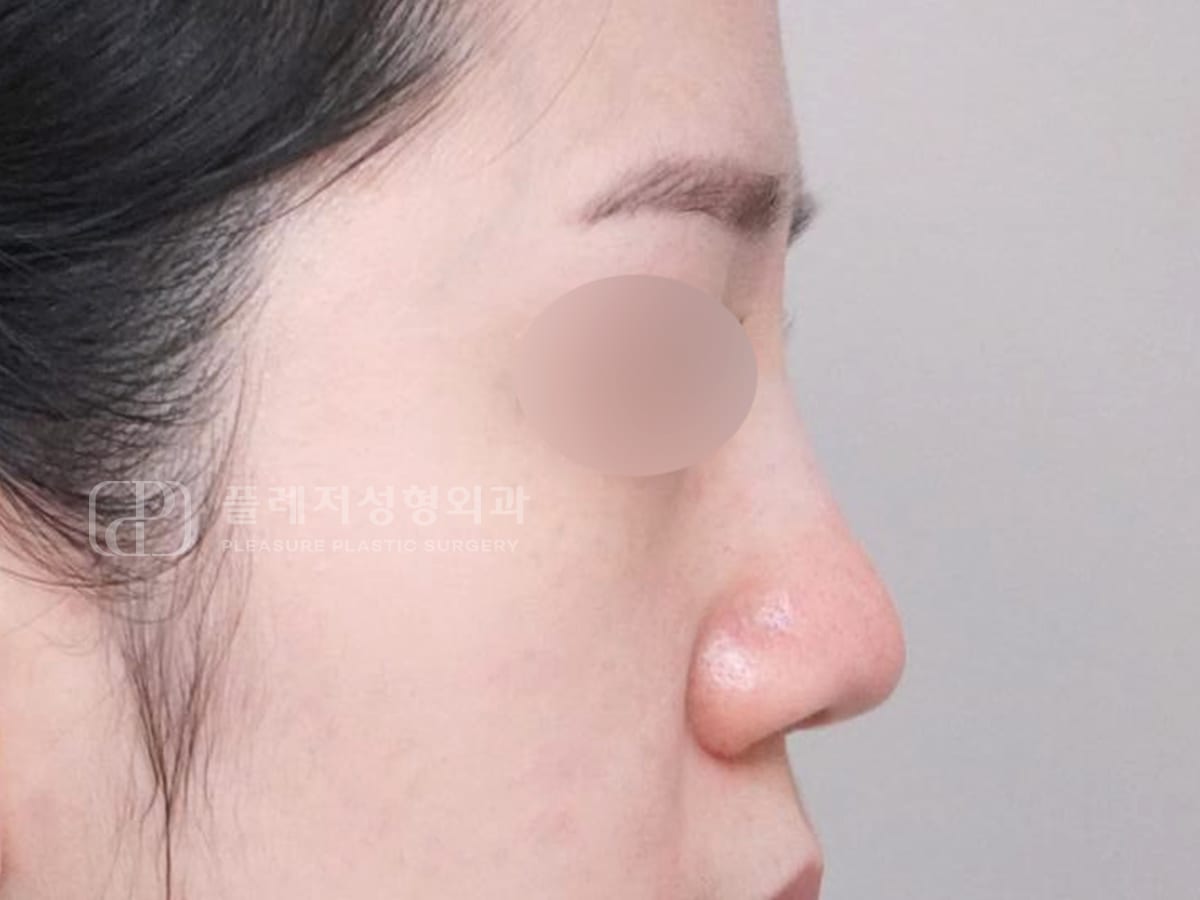
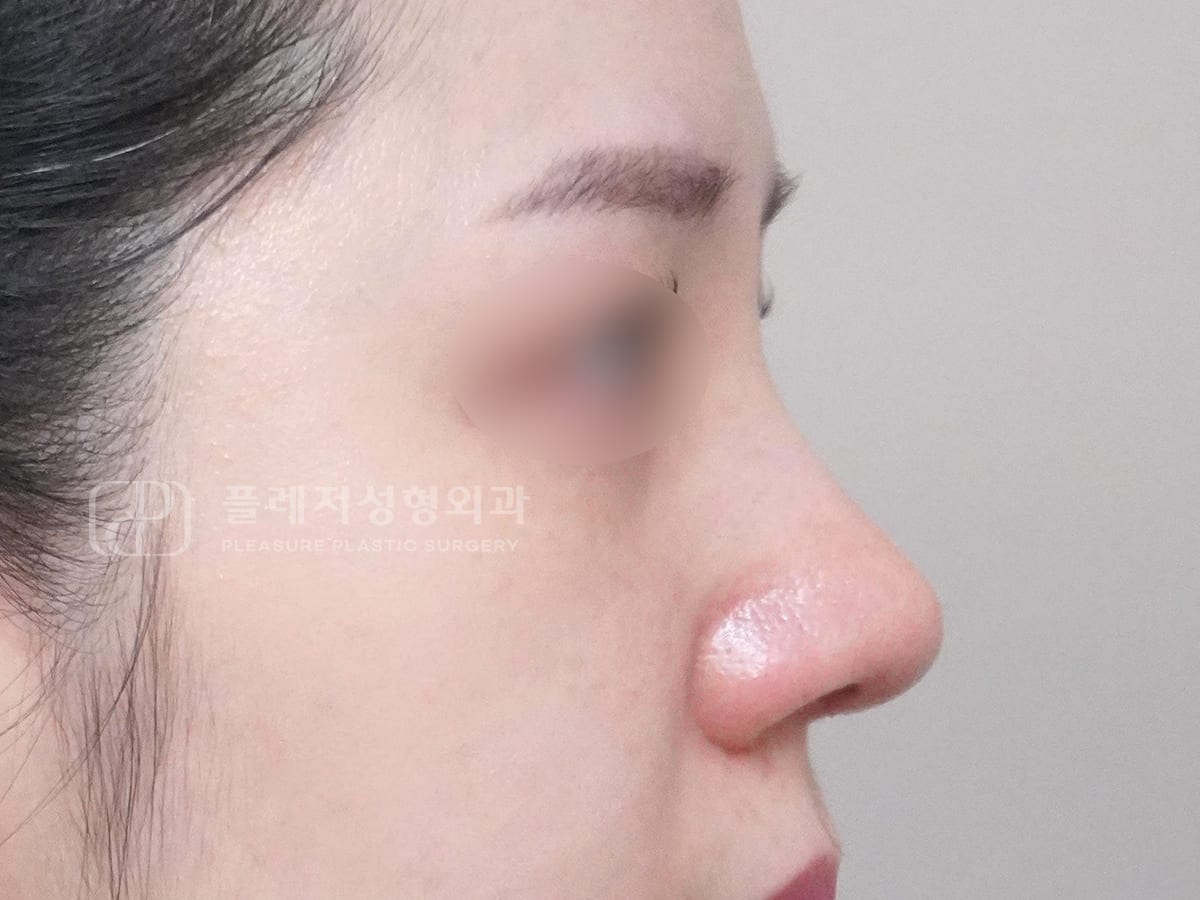
Case 01
BEFORE
AFTER

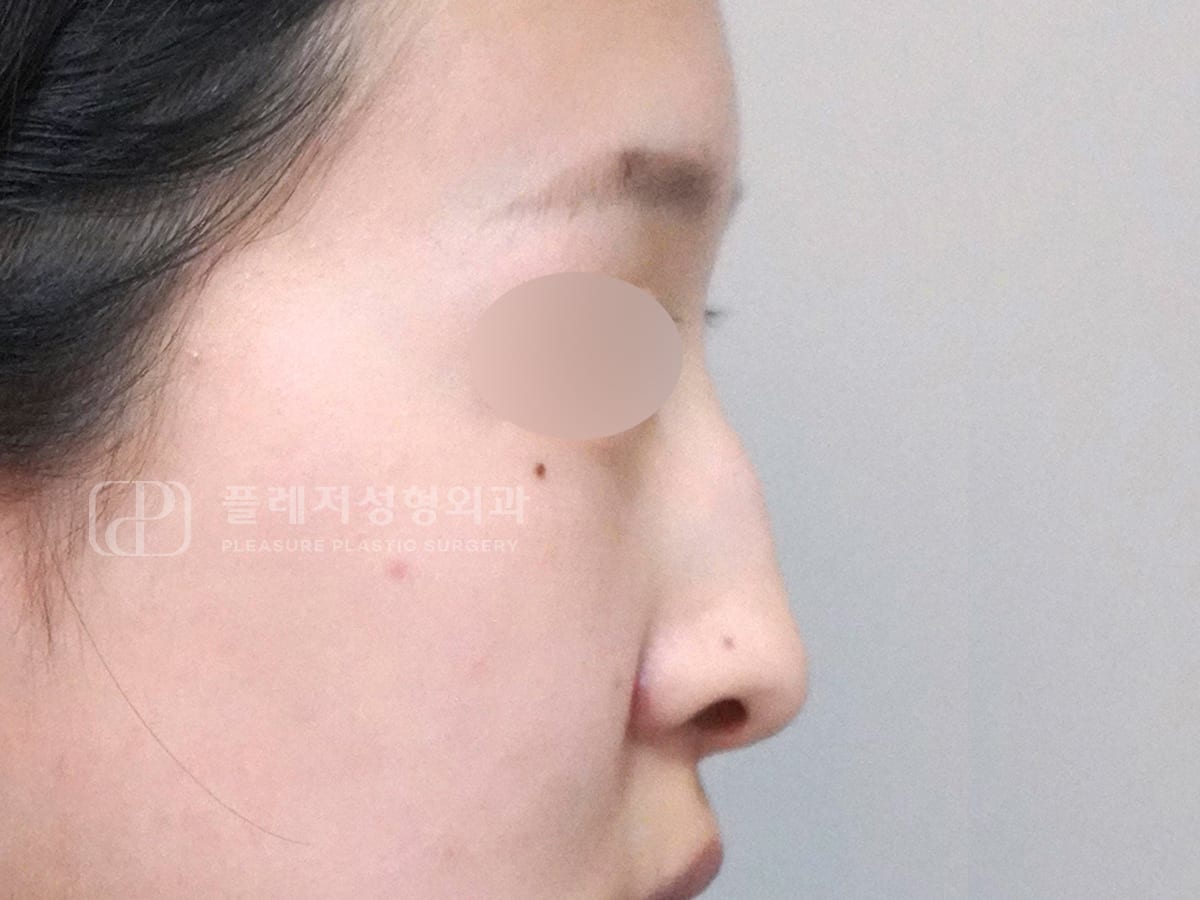
Implant-Free Rhinoplasty Using Septal Cartilage

A case where the nasal tip support structure is stably designed using only autologous tissue.

Surgical Method

Septal cartilage forms the nasal tip support structure, while autologous dermis fills the height difference between the bridge and tip, naturally refining the overall line.

Case 02
BEFORE
AFTER

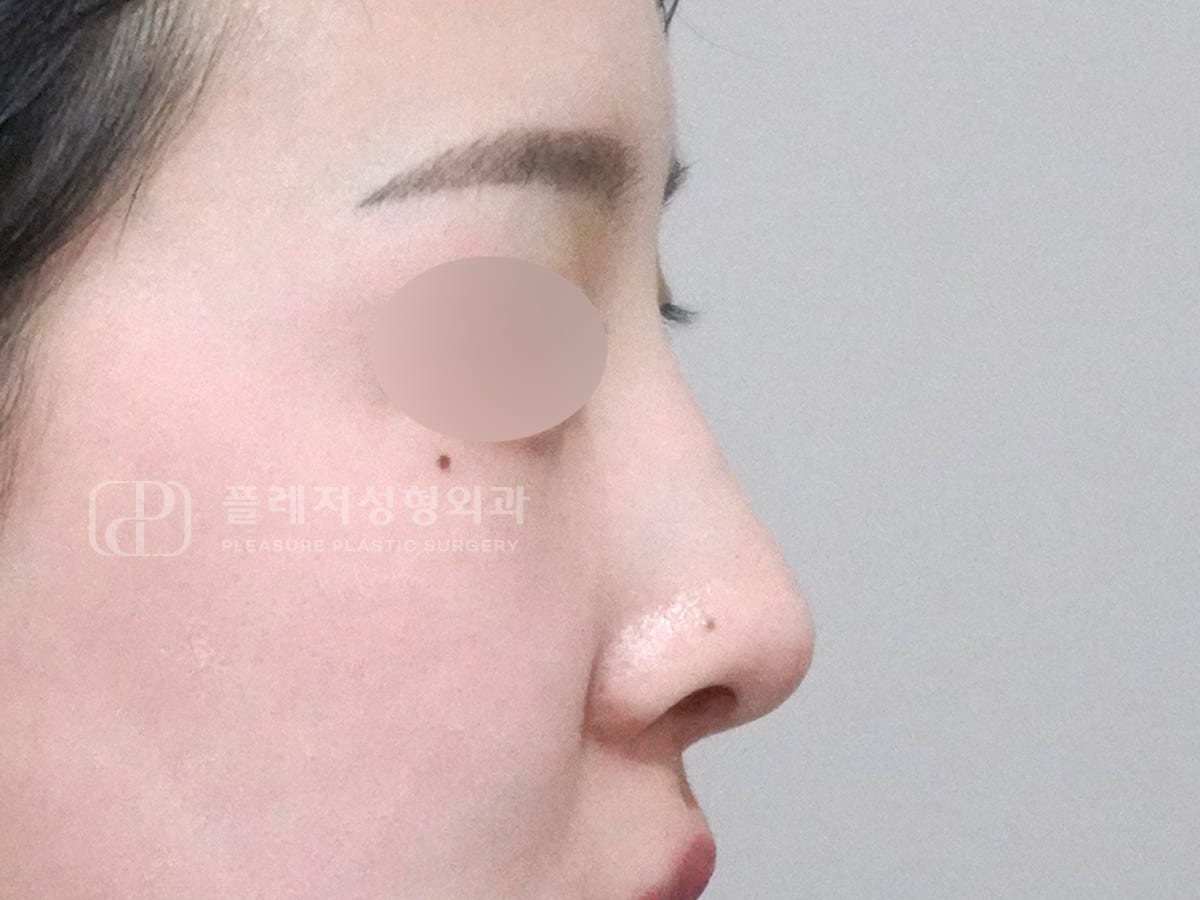
Implant-Free Rhinoplasty Using Ear Cartilage

Applied when a soft nasal tip contour and natural feel are desired.

Surgical Method

Cartilage harvested from behind the ear is grafted to the nasal tip to supplement insufficient volume, and the flexible nature of the cartilage creates a soft nasal tip shape.

Case 03
BEFORE
AFTER

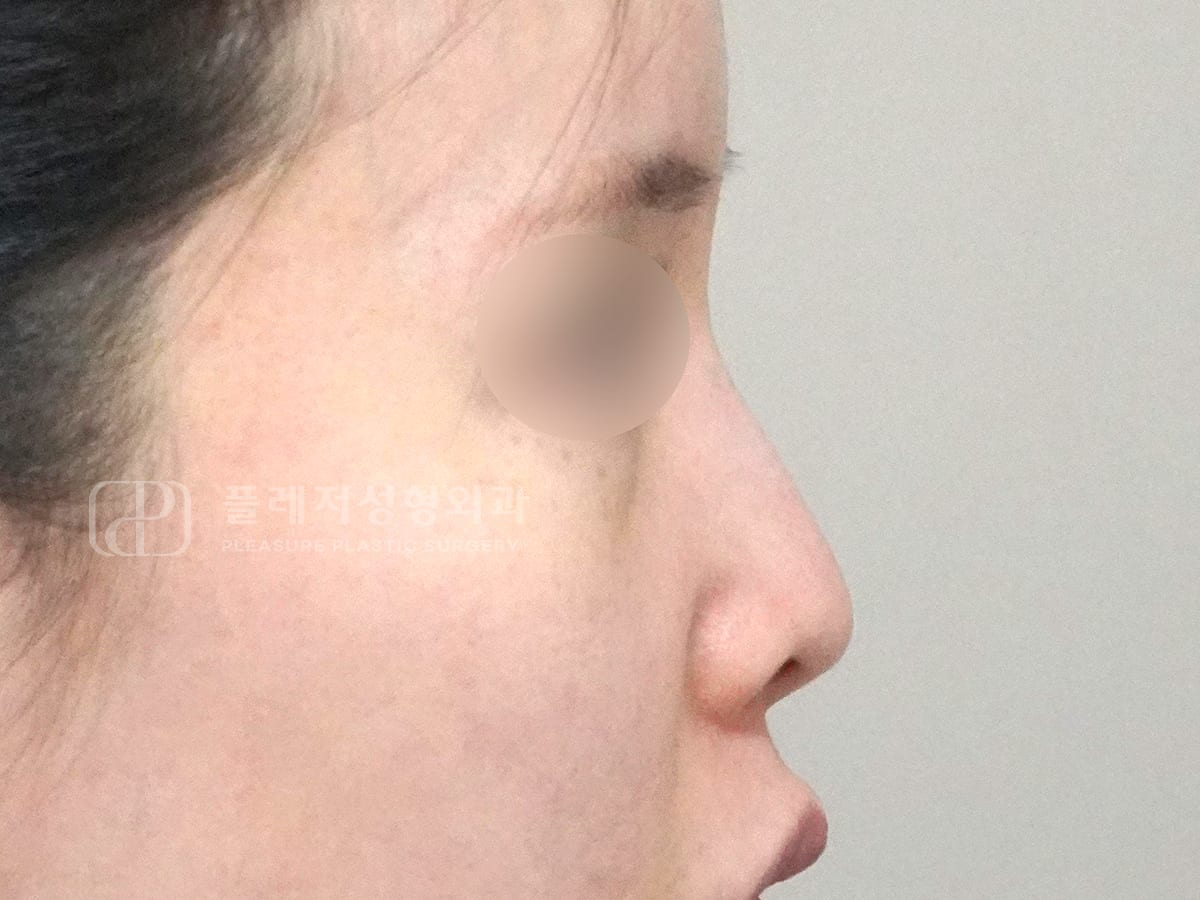
Implant-Free Rhinoplasty Using Autologous Rib Cartilage

Applied when strong support and structural formation are needed across the entire bridge-to-tip area.

Surgical Method

The patient's own rib cartilage is harvested to form the central nasal support structure, simultaneously supplementing height and structure from the bridge to the tip.

Case 04
BEFORE
AFTER

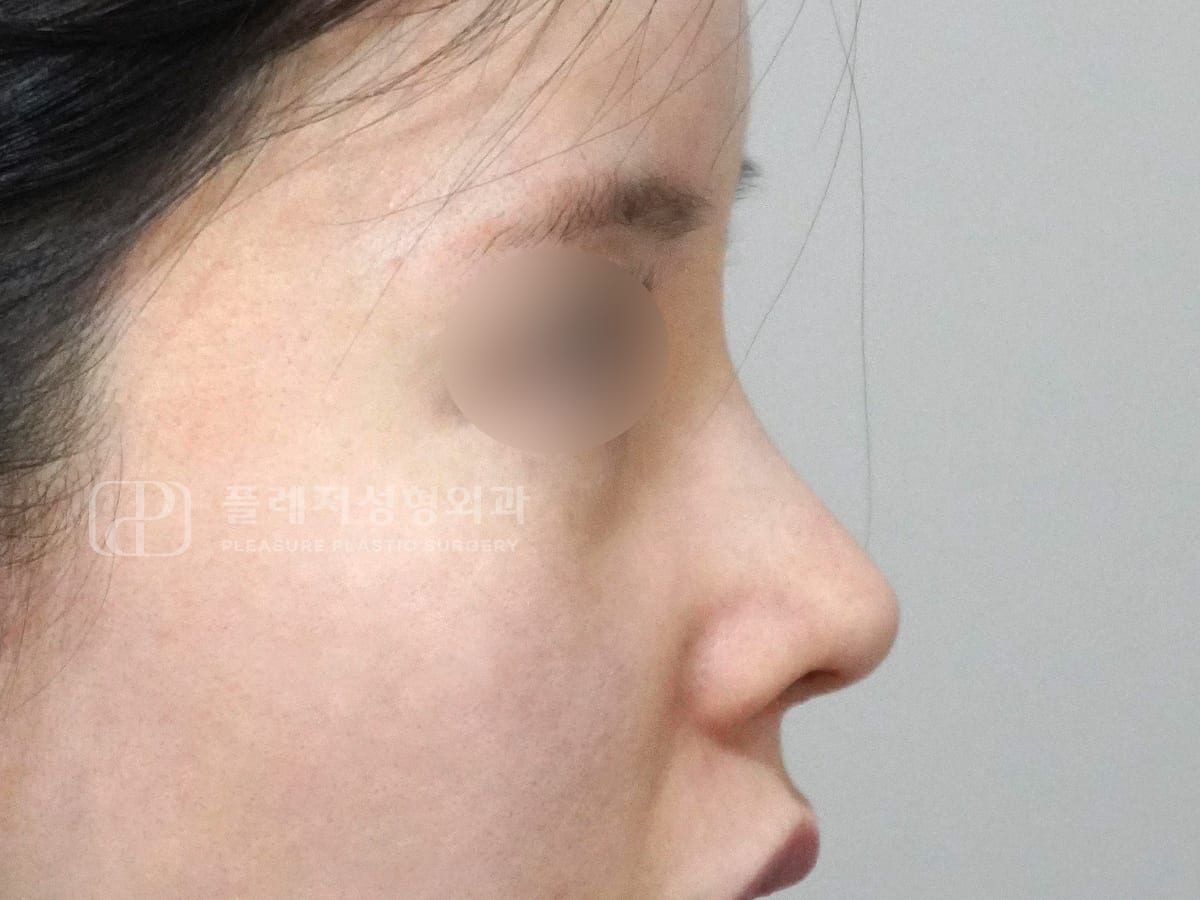
Implant-Free Rhinoplasty Using Donor Rib Cartilage

Applied when strong support is needed but harvesting autologous rib cartilage is a concern.

Surgical Method

Processed donor rib cartilage forms the central nasal structure, supplementing insufficient support to complete a balanced line.

Design Process

Pleasure Implant-Free Rhinoplasty
6-Step Design Process

From 3D-CT precision analysis to natural completion —
each case proceeds with an individually tailored design.

STEP 01

3D-CT Precision Imaging &
Autologous Tissue Analysis

Systematically assessing septal size and degree of deviation along with autologous tissue condition, confirming any functional issues in advance.

STEP 02

Nasal Design Planning
to Complement the Face

Considering the nasolabial angle and facial length to design a custom nasal line that maximizes three-dimensionality.

STEP 03

Cartilage Analysis &
Custom Tissue Selection

The material best optimized for the current nasal condition is selected from septal, ear, autologous rib, or donor cartilage.

STEP 04

Individually Tailored
Support Design & Fixation

A custom support structure is designed with the optimal material, maintaining a refined, upright line that does not sag or deform over time.

STEP 05

Concurrent Functional Rhinoplasty
& Internal Nasal Improvement

Functional issues such as rhinitis and deviated septum are resolved simultaneously, improving both aesthetics and function together.

STEP 06

Natural Completion
with Autologous Tissue

Achieves a soft, flexible feel and natural three-dimensionality with no concerns about foreign-body sensation or side effects.

Why PLEASURE

Why Choose Pleasure Plastic Surgery
for Implant-Free Rhinoplasty?

Implant-Free Rhinoplasty using autologous tissue demands far more refined skill than implant-based surgery.
Pleasure delivers the most natural and stable nasal line, backed by extensive clinical experience and precise analysis.

Extensive Clinical Experience & Refined Expertise

Through Implant-Free Rhinoplasty cases performed consistently since our clinic's founding, we have accumulated diverse experience and delivered consistently stable results.

Minimizing Side Effects Through Autologous Tissue Use

Using only autologous tissue without artificial implants reduces the burden of implant-related side effects such as inflammation, contracture, and show-through.

1-on-1 Precision Analysis & Custom Support Design

By precisely analyzing each patient's cartilage condition, an optimized support structure is designed for each individual, completing a long-lasting line.

State-of-the-Art 3D-CT Precision Diagnosis

3D-CT imaging accurately identifies septal size and autologous tissue condition in advance, enabling the safest surgical plan.

Aesthetic Improvement + Functional Resolution Together

Functional issues such as rhinitis and deviated septum are improved simultaneously with surgery, completing both aesthetics and function together.

FAQ

Before Implant-Free Rhinoplasty —
Frequently Asked Questions

Q Are the results different from implant-based rhinoplasty?
Without an implant, concerns about foreign-body sensation, show-through, contracture, and other side effects are reduced, and you can expect the natural feel and movement unique to autologous tissue. However, since results vary depending on the tissue used and nasal condition, an in-person consultation is recommended for an accurate assessment.
Q Among Septal, Ear, and Rib Cartilage — Which Tissue Is Used?
It depends on the individual's nasal structure, cartilage condition, and desired outcome. Septal size and availability are first confirmed via 3D-CT, and if insufficient, ear or rib cartilage is additionally considered. We will advise you precisely during an in-person consultation.
Q Is Implant-Free Rhinoplasty possible after implant removal?
Yes, it is possible. When the nasal structure needs to be stably maintained after implant removal, surgery proceeds to replace the support structure with autologous tissue. The surgical method may vary depending on the individual's condition.
Q Can the nasal tip sag or deform after surgery?
At Pleasure Plastic Surgery, an individually tailored support structure is designed and firmly fixed to prevent sagging or deformation over time. However, individual differences may occur depending on tissue condition and recovery, and detailed guidance will be provided during your in-person consultation.

Before & After

Implant-Free Rhinoplasty Before & After

Actual results from our patients — Implant-Free Rhinoplasty before and after results. Only cases with patient consent are published.

BEFORE AFTER

Consultation

A Natural Nasal Line
Designed with Your Own Tissue

The outcome of Implant-Free Rhinoplasty varies depending on each individual's nasal structure and cartilage condition.
We will verify everything precisely during an in-person consultation and design the most suitable autologous tissue and support structure for you.

HoursMon–Fri 10:00–19:00 · Sat 10:00–17:00 · Closed Sun & Holidays

PLEASURE DUAL SYSTEM

To surgical precision, we add the insight of skin science.

Pleasure's dual system, where plastic-surgical structural improvement and dermatological texture restoration work in tandem. We design only what is needed, in the most harmonious sequence.